
What Are the Best Wrist Wraps and Lifting Straps for Heavy Pulls?
The best wrist wraps for heavy lifting feature 18+ inches of competition-grade stiffness with secure thumb loops, while quality lifting straps use padded neoprene construction for maximum grip security during heavy pulls. These accessories become essential when your grip strength or wrist stability limits your progression on major lifts.
Wrist wraps and lifting straps serve different purposes in your training arsenal. Understanding when and how to use each tool properly can help you push past plateaus while maintaining joint health.
When Wrist Wraps Make the Difference
Wrist wraps excel during heavy pressing movements—bench press, overhead press, and heavy squats where wrist position matters. They provide rigid support that keeps your wrists in optimal alignment under load.
Look for wraps with competition-grade stiffness. The Gymreapers Weightlifting Wrist Wraps 18-inch offer the right balance of support and adjustability. The 18-inch length provides maximum coverage, while the thumb loop ensures consistent positioning session after session.
Proper wrapping technique matters as much as the equipment. Wrap snugly but not so tight that you lose circulation. The goal is joint stability, not cutting off blood flow.
Lifting Straps for Grip-Limited Sessions
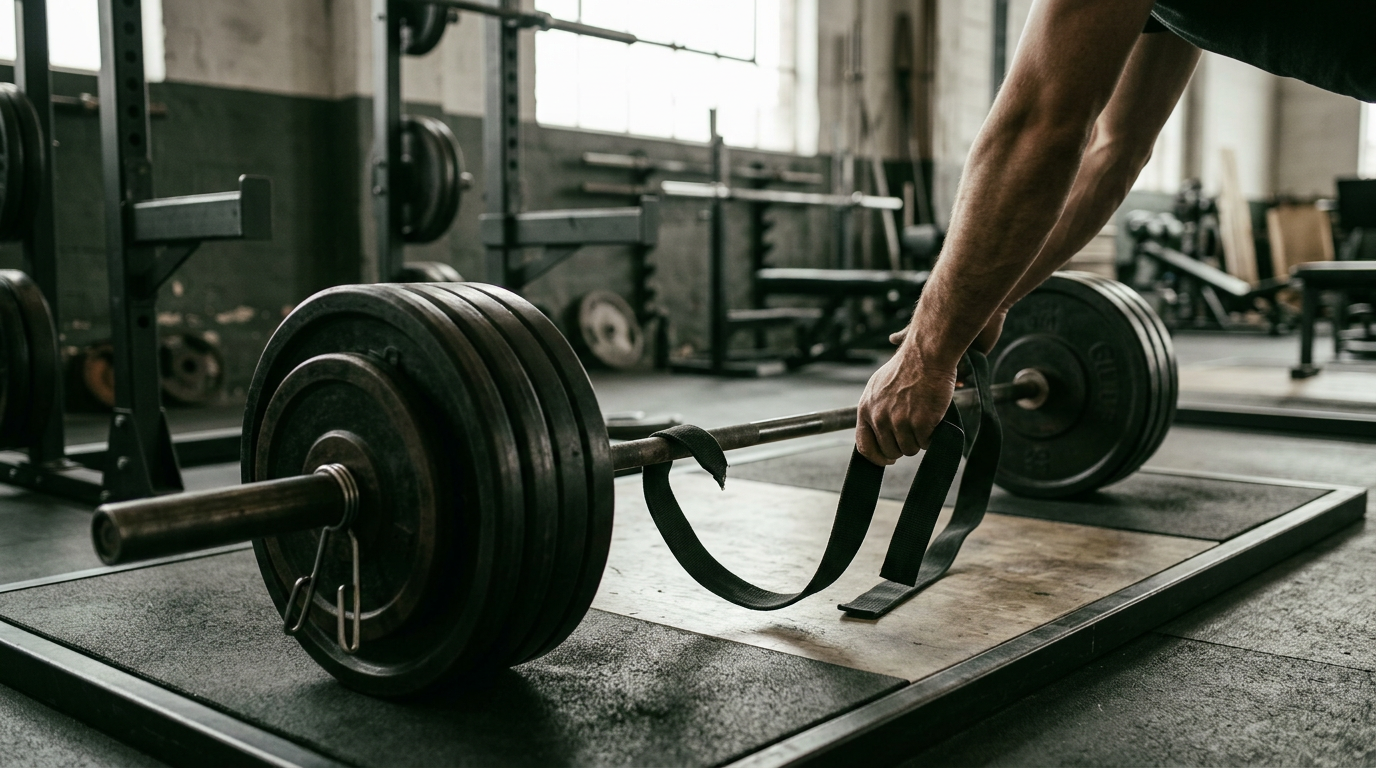
Lifting straps become valuable when your grip fails before your target muscles during rows, deadlifts, and pulldowns. Rather than limiting your back development to what your forearms can handle, straps let you train the intended muscle groups effectively.
Padded neoprene straps like the Gymreapers Lifting Wrist Straps distribute pressure evenly across your wrists. The lasso-style design provides secure attachment without the complexity of figure-8 straps.
Use straps strategically. Train some sessions without them to maintain grip strength, then employ them for your heaviest working sets or high-volume pulling work.
Programming These Tools Into Your Training
Track when you use wrist wraps and straps in your training log. This data helps identify patterns—perhaps you need wraps consistently above 85% on bench press, or straps become necessary on your third and fourth sets of heavy rows.
Kenso's session tracking makes it easy to note when you use supportive gear, helping you understand how these tools impact your progression over time.
Consistent use of quality wrist support and grip assistance can help you train heavier loads more frequently, leading to better long-term progression.
What's the difference between wrist wraps and wrist straps?
Wrist wraps provide rigid support for pressing movements, while wrist straps (lifting straps) assist grip strength during pulling exercises.
When should I start using wrist wraps?
Consider wrist wraps when pressing movements cause wrist discomfort or when you notice your wrists bending back excessively under heavy loads.
Do lifting straps weaken your grip strength?
Lifting straps won't weaken your grip if used strategically—train some sets without them and use straps primarily for your heaviest working sets.
How tight should wrist wraps be?
Wrist wraps should be snug enough to provide support but not so tight that they cause numbness or cut off circulation.
Can beginners use wrist wraps and lifting straps?
Beginners can use these tools, but focus on building base strength first. Introduce supportive gear gradually as training loads increase.
Ready to track your progress with and without supportive gear? Download Kenso to log your sessions and monitor how wrist wraps and lifting straps impact your training progression.
This article contains affiliate links. We may earn a small commission at no extra cost to you.