
Is Personal Training Dead? AI vs Human Coaching Analysis
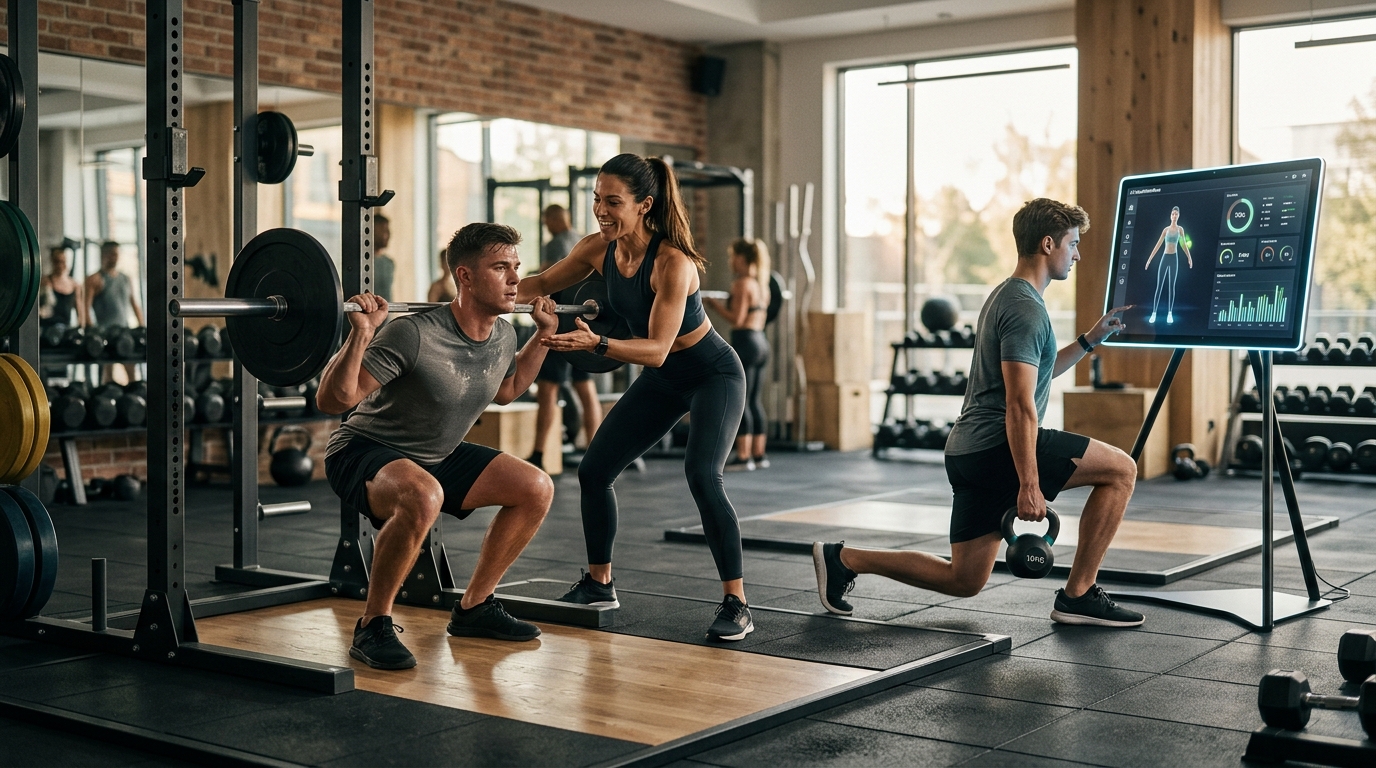
Personal training isn't dead, but it's evolving rapidly as AI coaching technology becomes more sophisticated. AI excels at program design, progress tracking, and 24/7 availability, while human trainers still provide irreplaceable value through hands-on form correction, accountability, and personalized problem-solving that current technology can't match. For most lifters, the smartest path is combining the two rather than choosing one.
What Happened
The fitness industry has shifted steadily toward AI-assisted coaching over the past several years. Apps like Freeletics, Fitbod, and a growing set of strength-training platforms now use algorithms to generate personalized programs, adjust training loads, and surface feedback based on your logged performance.
Meanwhile, traditional personal training has faced headwinds. The pandemic accelerated remote coaching adoption, and rising session costs—commonly $75–150 per hour in major cities—have pushed many lifters toward digital alternatives. Fitness app usage has climbed sharply since 2020, while in-person gym membership growth has been comparatively flat.
The technology has become genuinely useful. Modern AI tools can review your training history, account for recovery patterns, and adjust programming based on your performance over time. Some platforms also experiment with computer-vision movement assessment through a smartphone camera, though that capability varies widely in reliability.
Why It Matters
This shift represents more than technological novelty—it changes how people approach strength training. AI-assisted coaching makes structured programming accessible to lifters who previously could only get it through expensive personal training or trial-and-error self-education.
For the strength-training community, this matters because consistency and progression are everything, and software is good at both. A well-built app never forgets your last session, tracks your volume and progression across weeks, and can adjust your plan when you miss a session or stall on a lift.
The data advantage is real at the individual level. Apps like Kenso analyze your personal training history to surface progression patterns and guide smarter programming decisions. That creates room for more precise programming and steadier long-term results.
The human element, however, remains crucial for the messy cases. Injury management, form breakdown under fatigue, and the psychological side of training still benefit from an experienced coach watching you in person.
What This Means for Lifters
The future isn't AI versus human coaching—it's AI and human coaching working together. Many serious lifters already use this hybrid approach.
Where AI coaching excels:
- Program design and progression planning
- Consistent tracking and trend analysis
- 24/7 availability for questions and adjustments
- Cost-effective access to structured programming
- Objective feedback grounded in your own performance data
Apps like Kenso illustrate this well: Kenso's rule-based double-progression engine recommends weight and rep adjustments after each workout and flags when it's time to deload. Its AI Coach—a premium chat assistant with access to your full training history—can review your sessions and adjust your program when you ask.
Where human trainers remain essential:
- Real-time, in-person form correction and technique refinement
- Injury assessment and modification strategies
- Accountability and support during challenging phases
- Complex problem-solving for unusual situations
- Guidance on lifestyle factors beyond the training session
The most effective approach combines both. Lean on software for consistent programming and tracking, then invest in periodic sessions with a qualified trainer for technique work and program reviews.
Practical recommendations:
Start with an app if you're new to structured training or working within a budget. Consistent programming and progression tracking alone will sharpen your results.
Add human expertise strategically. Schedule monthly or quarterly sessions with a trainer to refine technique and address specific weaknesses.
Choose tools that prioritize data. Look for apps that track your actual performance, not just planned workouts. That record becomes invaluable for long-term progression.
Don't abandon what works. If you have a strong trainer relationship, an app can complement it by handling the routine programming and logging.
A capable wearable can support either approach. The Garmin Venu 3 GPS Smartwatch tracks strength-training sessions and feeds recovery and activity data that both apps and human coaches can use to inform your program.
The Bottom Line
Personal training isn't disappearing—it's becoming more specialized and strategic. Software handles the routine work of program structure and progress tracking, while human coaches focus on higher-level problem-solving and technique refinement.
For serious lifters, this evolution offers the best of both worlds: consistent, data-driven programming through an app, with human expertise available when it matters most. The key is knowing when to reach for each.
Ready to train with more structure? Download Kenso to see how rule-based progression and detailed tracking can support your long-term strength progression.
Is AI coaching as effective as a human personal trainer?
AI coaching excels at program consistency and data analysis but can't match an in-person trainer for real-time form correction and complex problem-solving. For most lifters, combining both works better than relying on either alone.
Will AI completely replace personal trainers?
No, but it will change what personal trainers do. Expect trainers to focus more on technique coaching, injury management, and specialized expertise while software handles routine programming and tracking.
How do I choose between AI coaching and a personal trainer?
Consider your budget, experience level, and specific needs. App-based coaching works well for consistent programming and tracking, while human trainers are essential for technique work and complex situations. Many lifters benefit from using both strategically.
This article contains affiliate links. We may earn a small commission at no extra cost to you.