
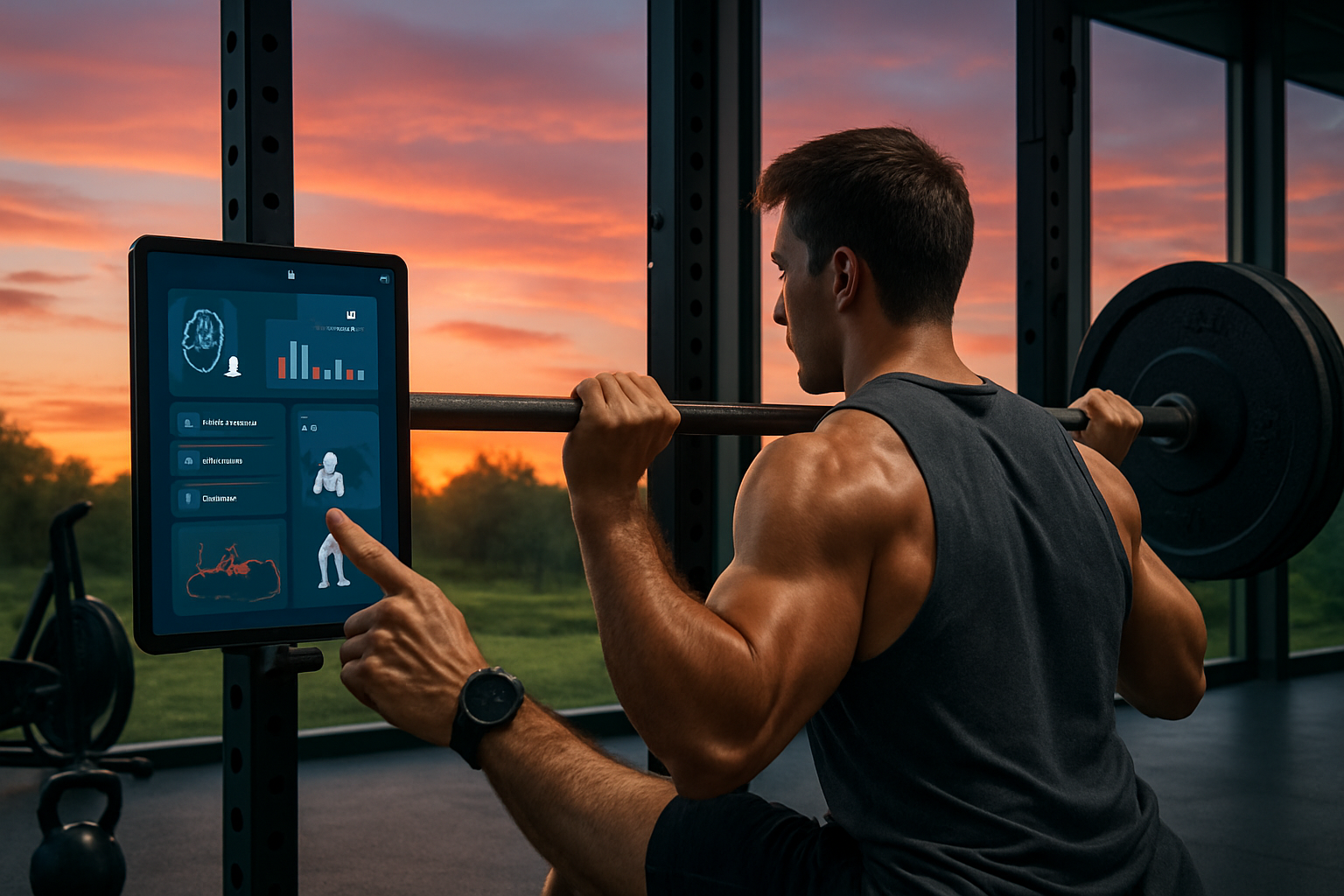
What Does AI-Powered Personal Training Mean for Lifters?
AI-powered personal training is the fitness industry's bet that personalized coaching can be scaled with software. For serious lifters, the question that matters is narrower: can these platforms deliver the structured, progressive programming that actually drives results? Companies like Hotworx are wagering that AI can, but the value for evidence-based lifters depends entirely on execution—whether a tool understands progressive overload and individual adaptation, or just generates varied workouts that feel personalized.
What Happened
Hotworx recently launched TrainingTrax, an AI-powered personal training platform offered to its Sweat Elite members. It joins a growing field of gym chains and boutique brands rolling out AI coaching tools—Vasa Fitness partnered with Demotu to give members trainer-prescribed workouts between sessions, and New York Sports Club introduced MYCO, an AI coaching platform built with Zing Coach. Across these launches, the companies frame AI as support for human trainers rather than a replacement.
The move signals broader industry interest in fitness technology's ability to augment human coaching. These platforms promise to analyze user data, adjust programming over time, and provide personalized feedback at scale.
Why It Matters
The surge in AI-powered fitness technology reflects two industry trends: the demand for personalized training and the difficulty of scaling quality coaching. For serious lifters, this development could be meaningful—if it's done correctly.
Traditional personal training faces real limitations. Quality coaches are expensive and often unavailable when you need them. Generic programs ignore individual differences in recovery, strength levels, and training history. The industry has long struggled to bridge the gap between cookie-cutter templates and truly individualized programming.
AI has the potential to narrow that gap by processing large amounts of training data to identify patterns and inform progression. When you track your training consistently, an AI tool can analyze your performance trends, recovery patterns, and response to different stimuli, then suggest program adjustments grounded in that history.
The catch is that the fitness technology space is full of solutions that promise personalization but deliver glorified random workout generators. The key differentiator will be whether a platform respects the fundamental principles of progressive overload, periodization, and individual adaptation—or just optimizes for novelty.
What This Means for Lifters
For lifters who train with intention, AI-powered platforms represent both opportunity and risk. The opportunity is access to sophisticated programming logic that was previously available only through expensive coaching relationships. A well-built tool could analyze your squat progression over months, recognize when you're stalling, and suggest a sensible deload or exercise variation.
The risk is that many AI training products prioritize engagement over effectiveness. A system optimized for retention rather than training outcomes might produce varied, entertaining workouts that lack the consistency and progression serious lifters need.
The most valuable AI training tools will be those built on comprehensive tracking. This is where an app like Kenso fits: its AI Coach is a Claude-powered chat with tool access to your full Kenso training history, so it reviews your actual workouts, gives diagnostics, and creates or adjusts programs when you ask. That access to your real data—sets, reps, weights, RPE, and HealthKit-based recovery readiness—is what separates a genuine recommendation from a generic one. (Kenso's set-to-set weight and rep progression, by contrast, comes from a rule-based double-progression engine, not the chat coach.)
Look for AI platforms that emphasize:
- Progressive overload principles
- Consistent program structure
- Evidence-based exercise selection
- Integration with detailed tracking systems
- Transparent logic for program adjustments
The most experienced lifters will likely find that AI works best as a supplement to their own programming knowledge, not a replacement for it—a coaching assistant that processes your training data and surfaces optimizations you might have missed.
The Future of Training Technology
As more companies enter the AI coaching space, expect rapid evolution in program sophistication. The winners will be platforms that can demonstrate actual improvements in training outcomes, not just user engagement metrics.
For serious lifters, the trend reinforces the importance of comprehensive training data. The more detailed your records, the more useful AI recommendations become. Platforms that prioritize data quality and evidence-based programming will be the ones worth your time.
The integration of AI with detailed tracking is the most promising thread here. When an app can analyze months of progression data and suggest grounded program modifications, that's when fitness technology becomes genuinely valuable for serious training—and it's a bar worth holding every new platform to.
Ready to build the comprehensive training data that makes AI recommendations actually useful? Download Kenso and start tracking your training with the detail and consistency that enables intelligent progression.
What should lifters look for in AI-powered training platforms?
Look for platforms that emphasize progressive overload principles, integrate with detailed tracking systems, and provide transparent logic for their programming decisions rather than just generating varied workouts.
Can AI replace human coaches for serious lifters?
AI is more likely to supplement rather than replace quality coaching, especially for experienced lifters who understand programming principles and can evaluate AI recommendations critically. Notably, the gym chains rolling out AI tools position them as support for human trainers, not substitutes.
How important is training data for AI-powered coaching?
Comprehensive training data is crucial—the more detailed your records, the more accurate and useful AI recommendations become. Tools that draw on your actual training history, rather than generic templates, deliver better results.