
TL;DR
Smart gym scales use bioelectrical impedance to estimate body fat and muscle mass, and while they aren't as precise as a DEXA scan, they're consistent enough to track meaningful body-composition trends over weeks and months. The Wyze Scale X offers the best value at $34 with 12 metrics including muscle mass and bone density, while the Withings Body Comp adds segmental analysis at $200. For serious lifters, focus on models that track muscle mass and sync with your preferred fitness ecosystem. Consistent daily measurements reveal the patterns that matter most when combined with proper training tracking through apps like Kenso.
Best Smart Scales for Lifters in 2026
Wyze Scale X
Best overall value for comprehensive body composition tracking
Tracks 12 metrics including muscle mass, bone density, and heart rate for $34. Syncs with Apple Health, Fitbit, and Google Health Connect with consistent, repeatable readings across testing.
Withings Body Comp
Most detailed bioelectrical impedance measurements
Offers segmental body composition analysis at $200. Tracks visceral fat and provides detailed muscle mass breakdowns by body segment, making it useful for spotting left-right imbalances.
Eufy Smart Scale P3
Best app integration and user experience
Tracks 16 body composition metrics with the intuitive EufyLife app at $90. Solid build quality with a tempered-glass platform and precise load cells.
RENPHO Elis 1
Best for multiple users and families
Supports unlimited users with automatic recognition at $50. Tracks 13 metrics with detailed trend analysis and goal-setting features.
Garmin Index S2
Best integration with Garmin fitness ecosystem
Seamless sync with Garmin Connect and Garmin watches at $150. Weather display and robust construction make it a natural fit for athletes already in the Garmin ecosystem.
InBody H20N
Higher-end multi-electrode design for detailed readings
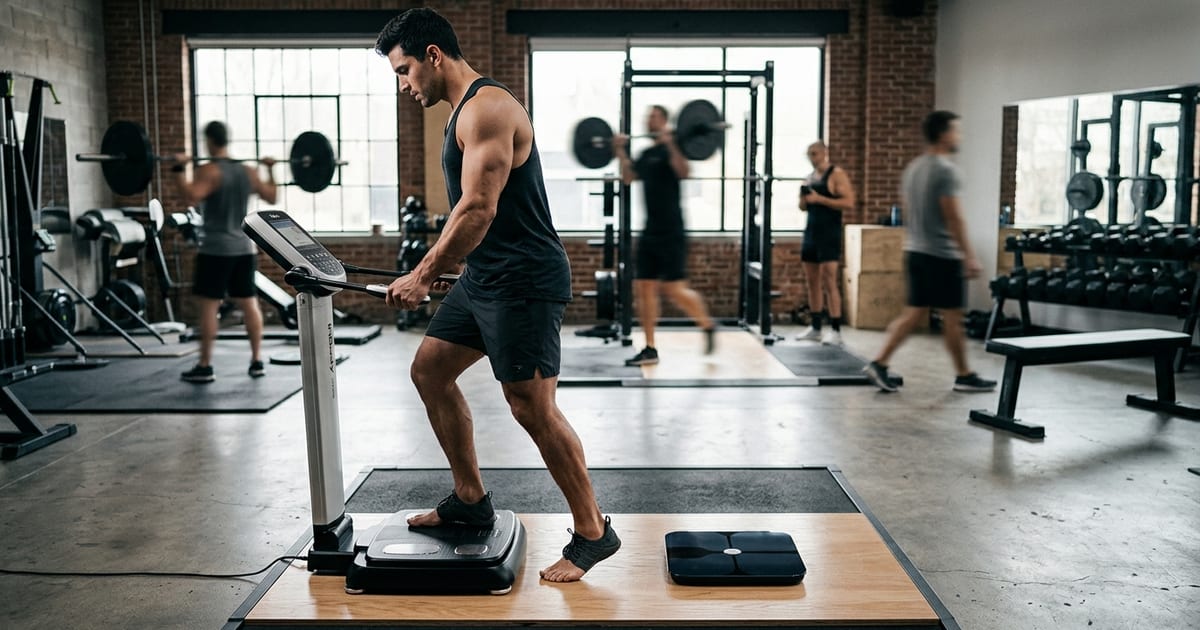
Uses 8-point tactile electrodes (hands and feet) for more granular body composition estimates at $500. Provides detailed muscle mass analysis, though any consumer BIA device still trades precision for convenience compared with a clinical DEXA scan.
Comparison Table
| Scale | Reading Granularity | Muscle Mass Tracking | App Ecosystem | Price | Key Feature |
|---|---|---|---|---|---|
| Wyze Scale X | 4-electrode | Yes | Multi-platform | $34 | 12 metrics, heart rate |
| Withings Body Comp | 4-electrode | Segmental | Health Mate | $200 | Visceral fat, segmental |
| Eufy Smart Scale P3 | 4-electrode | Yes | EufyLife | $90 | 16 metrics, premium build |
| RENPHO Elis 1 | 4-electrode | Yes | RENPHO Health | $50 | Unlimited users |
| Garmin Index S2 | 4-electrode | Yes | Garmin Connect | $150 | Weather display |
| InBody H20N | 8-electrode | Advanced | InBody | $500 | 8-point electrodes |
Which Metrics Actually Matter for Lifters?
Body fat percentage provides the most actionable data for lifters tracking body composition changes. Smart scales aren't as precise as DEXA scans, but a given scale is usually consistent enough with itself to reveal meaningful trends over weeks and months.
Muscle mass measurements help distinguish between weight changes from muscle gain versus fat loss. This becomes especially useful during bulking and cutting phases when scale weight alone tells an incomplete story.
Bone density tracking offers limited value for most lifters, as meaningful changes occur over years rather than months. Focus on this metric only if you have specific health concerns.
Water weight fluctuations can help explain day-to-day scale variations, but don't obsess over these numbers. Hydration, sodium intake, and training timing all affect readings significantly.
How Smart Scales Work: Bioelectrical Impedance Explained
Smart gym scales use bioelectrical impedance analysis (BIA) to estimate body composition. The scale sends a weak electrical current through your body and measures resistance. Fat tissue resists electricity more than muscle tissue, allowing the device to estimate approximate percentages.
Accuracy limitations include hydration levels, recent exercise, and food intake, all of which can shift readings. For the most reliable trend data, weigh yourself at the same time daily under consistent conditions.
Segmental analysis in higher-end models like the Withings Body Comp provides separate readings for arms, legs, and torso. This can help flag muscle imbalances and track targeted training results over time.
Smart Scales vs DEXA Scans: What's the Difference?
DEXA scans are widely regarded as the gold standard for body composition analysis and offer more precise body fat readings than consumer BIA scales. However, they typically cost $100-200 per scan and aren't practical for regular monitoring.
For tracking trends and making training adjustments, smart scales offer a practical alternative to DEXA scans — though accuracy varies by device and conditions. What matters most for day-to-day decisions isn't a single perfectly accurate number, but a consistent reading you can follow over time.
Professional athletes and physique competitors might benefit from periodic DEXA scans combined with daily smart scale measurements. This approach pairs an occasional precision benchmark with continuous, low-friction monitoring.
Integration with Fitness Tracking
The best smart scales sync seamlessly with comprehensive fitness tracking systems. When your body composition data flows into the same ecosystem tracking your training sessions, you can start to spot correlations between program changes and physique results.
Kenso reads from Apple Health, so scale data synced into HealthKit sits alongside the training metrics Kenso already tracks — giving you a fuller picture of your progression. This view helps you notice when strength gains line up with muscle mass increases, or when a cutting phase starts to affect performance.
Multi-platform compatibility becomes important if you use different apps for different purposes. The Wyze Scale X excels here, syncing with Apple Health, Google Health Connect, and Fitbit simultaneously.
How to Choose the Right Smart Scale
• Match your budget to your needs - The $34 Wyze Scale X covers most of what the average lifter needs from a body-composition scale
• Prioritize consistency over absolute accuracy - Look for scales with stable, repeatable readings rather than chasing perfect precision
• Consider your app ecosystem - Choose a scale that integrates with your existing fitness tracking setup
• Evaluate metric importance - Don't pay extra for measurements you won't actually use in your training decisions
• Check user capacity - Ensure the scale supports multiple users if you share it with family or training partners
What's the most accurate smart scale for body fat percentage?
No consumer BIA scale matches DEXA-level precision, but higher-end designs tend to be more granular. The InBody H20N uses 8-point tactile electrodes for more detailed readings, while the Withings Body Comp offers segmental analysis at a lower price. Both go beyond basic 4-electrode foot-only scales, though all remain estimates.
How often should lifters weigh themselves on smart scales?
Daily measurements provide the best trend data while minimizing the impact of natural fluctuations. Weigh yourself at the same time each morning, preferably after using the bathroom and before eating or drinking.
Do smart scales work for very muscular lifters?
Bioelectrical impedance can underestimate body fat in very muscular individuals, since muscle tissue conducts electricity better than fat. The absolute number may be off, but the scale still provides valuable trend data for tracking changes over time.
Can smart scales replace DEXA scans for serious lifters?
Smart scales can't match DEXA precision, but they're sufficient for most training decisions. Consider an annual DEXA scan for an absolute benchmark, combined with daily smart scale monitoring for trend tracking.
Which smart scale metrics should lifters ignore?
Metabolic age, protein percentage, and subcutaneous fat readings tend to provide minimal actionable information for lifters. Focus on body fat percentage, muscle mass, and total weight for the most meaningful data.
How do hydration levels affect smart scale accuracy?
Hydration shifts BIA readings: being dehydrated can push body fat estimates up, while overhydration can pull them down. Keep conditions consistent by weighing yourself at the same time daily, preferably in the morning after waking.
Are expensive smart scales worth it for casual lifters?
The Wyze Scale X at $34 provides sufficient accuracy and features for most lifters. Step up to premium models like the Withings Body Comp only if you specifically want segmental analysis or visceral fat tracking.
Do smart scales work with all fitness apps?
Most smart scales sync with Apple Health and Google Health Connect, which then share data with other fitness apps. Check specific compatibility before purchasing, especially for niche training apps.
Ready to track your training progress with the same precision you apply to body composition? Download Kenso to log your sessions with intention and watch your strength gains align with your physique goals.
This article contains affiliate links. We may earn a small commission at no extra cost to you.