
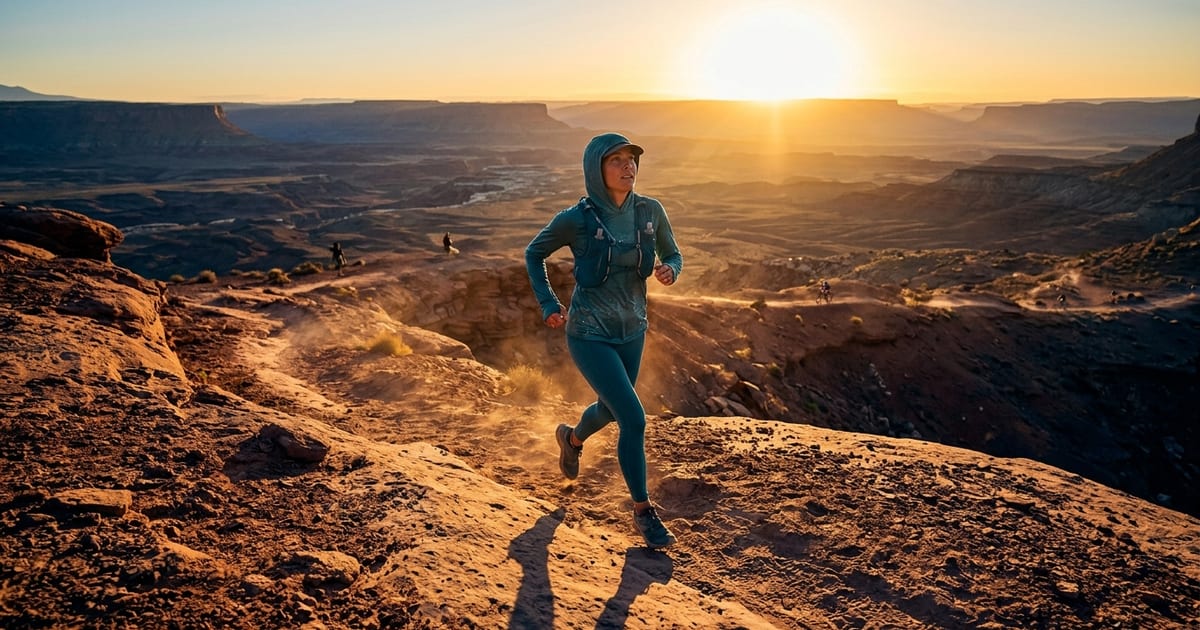
UPF Gym Clothing: Does Sun-Protective Fabric Overheat You During Outdoor Workouts?
High-quality UPF gym clothing does not inherently overheat you during outdoor training — the thermal experience depends almost entirely on fabric construction, not the UPF rating itself. A UPF 50+ shirt blocks up to 98% of UV rays while remaining breathable, provided it's made from a moisture-wicking, open-weave technical fabric. The UPF number tells you about UV blockage; it says nothing about heat management.
What UPF Actually Measures
UPF (Ultraviolet Protection Factor) is a fabric-level metric. A UPF 50 rating means the fabric allows 1/50th of UV radiation to pass through — roughly 2% of rays reach your skin. Unlike SPF, it accounts for both UVA and UVB exposure.
UPF ratings are assigned through standardized lab testing — the AATCC 183 test method in the US and the AS/NZS 4399 standard in Australia/New Zealand — which measure UV transmission through fabric based on density, fiber type, color, and weave tightness. None of those factors automatically make a garment hot. A tightly woven nylon with UPF 50+ can be cooler than a loose cotton tee with UPF 15.
Why Some UPF Clothing Feels Hot (And Some Doesn't)
The overheating concern is legitimate, but it's a fabric selection problem, not a UPF problem. Here's what actually drives heat retention:
- Fiber type: Polyester and nylon dry faster and trap less heat than cotton. Cotton holds moisture, which increases perceived temperature during effort.
- Weave structure: Tighter weaves block more UV but can reduce airflow. Look for fabrics that use fine-gauge yarns rather than thick, dense constructions.
- Color: Darker colors absorb more solar radiation. A UPF 50+ shirt in white or light grey will run cooler than the same fabric in black, even at identical UPF ratings.
- Fit: Compression-fit UPF garments sit against the skin and can feel warmer. Relaxed or athletic-fit options allow air circulation.
The key tradeoff worth naming: UV protection and heat dissipation pull in opposite directions. Tighter weaves and darker dyes raise UPF but also raise heat load, while looser, lighter fabrics ventilate better but need denser construction or specialized finishes to hit UPF 50+. The winning combination is a fine-gauge, light-colored synthetic that achieves a high UPF through fiber and finish rather than brute-force weave density — that's where you get UV blockage without a thermal penalty.
What to Look for in UV Protective Athletic Wear
For outdoor training sessions in 2026, the best sun protection workout clothes combine UPF rating with performance fabric specs. When evaluating options:
- Confirm UPF 50+ — anything below UPF 30 offers marginal protection and isn't worth the trade-off.
- Check the fiber content — polyester or nylon blends outperform cotton for heat management during training.
- Look for mesh panels or ventilation zones — particularly across the back and underarms.
- Choose lighter colorways for peak-heat sessions — save dark colors for early morning or evening outdoor work.
- Verify fit style — a relaxed athletic fit is more thermally forgiving than compression for longer outdoor sessions.
Two well-regarded options in 2026 for best outdoor gym apparel with UPF credentials:
- Patagonia Capilene Cool Daily Shirt — UPF 50+, recycled polyester, designed specifically for high-output activity in sun exposure.
- Columbia PFG Tamiami II Long Sleeve Shirt — UPF 40+, vented back yoke, a reliable choice for extended outdoor training or functional fitness sessions.
Tracking Outdoor Sessions Alongside Your Protection Strategy
Outdoor training adds variables — heat, terrain, UV load — that indoor sessions don't, and those variables tend to show up in your effort data before they show up anywhere else. Kenso's iOS training logger captures RPE and energy on each session, and it pulls sleep, HR zones, and recovery score from Apple Health. Log a few weeks of outdoor sessions and compare them against your indoor baseline: if the same working weights and rep targets are producing consistently higher RPE — or your energy ratings dip on hot-weather days despite a normal Apple Health recovery score — that's a concrete signal that heat load, not conditioning, is eating into your output.
That's the practical payoff of accurate logging: instead of guessing whether the sun is costing you reps, you can watch the RPE and energy trend line and adjust session timing, colorway, or fabric accordingly. When Kenso's AI Coach reviews your training history, it's working with that actual logged data — not assumptions.
Frequently Asked Questions
Does UPF 50+ clothing make you hotter during outdoor workouts?
Not necessarily. UPF 50+ clothing blocks UV rays based on fabric density and weave, but heat retention depends on fiber type, color, and construction. Technical polyester or nylon UPF fabrics can be as breathable as standard activewear.
What is the difference between UPF and SPF for outdoor training?
SPF measures protection only against UVB rays and applies to sunscreen. UPF measures a fabric's protection against both UVA and UVB radiation. For outdoor training, UPF clothing offers an advantage over sunscreen in that it doesn't need reapplication — though keep in mind that many fabrics can lose some of their UV protection when wet, stretched, or worn thin, so garment condition still matters.
Is UPF 30 good enough for outdoor gym sessions, or do I need UPF 50+?
UPF 30 blocks about 97% of UV rays; UPF 50+ blocks approximately 98%. For incidental outdoor exposure, UPF 30 is adequate. For extended outdoor training sessions during peak sun hours (10am–4pm), UPF 50+ is the more conservative and recommended choice.
Can I wear UPF gym clothing instead of sunscreen?
UPF clothing covers only the skin it directly covers. Any exposed skin — face, neck, hands — still requires sunscreen. For full outdoor training protection, combine UPF apparel with broad-spectrum SPF 30+ sunscreen on exposed areas.
What fabrics are best for UPF outdoor workout clothes that won't overheat?
Polyester and nylon are the best base fibers for UPF outdoor training gear. They wick moisture efficiently, dry quickly, and maintain breathability even with tight UPF-rated weaves. Avoid cotton-based UPF garments for high-intensity outdoor sessions.
This article contains affiliate links. We may earn a small commission at no extra cost to you.