
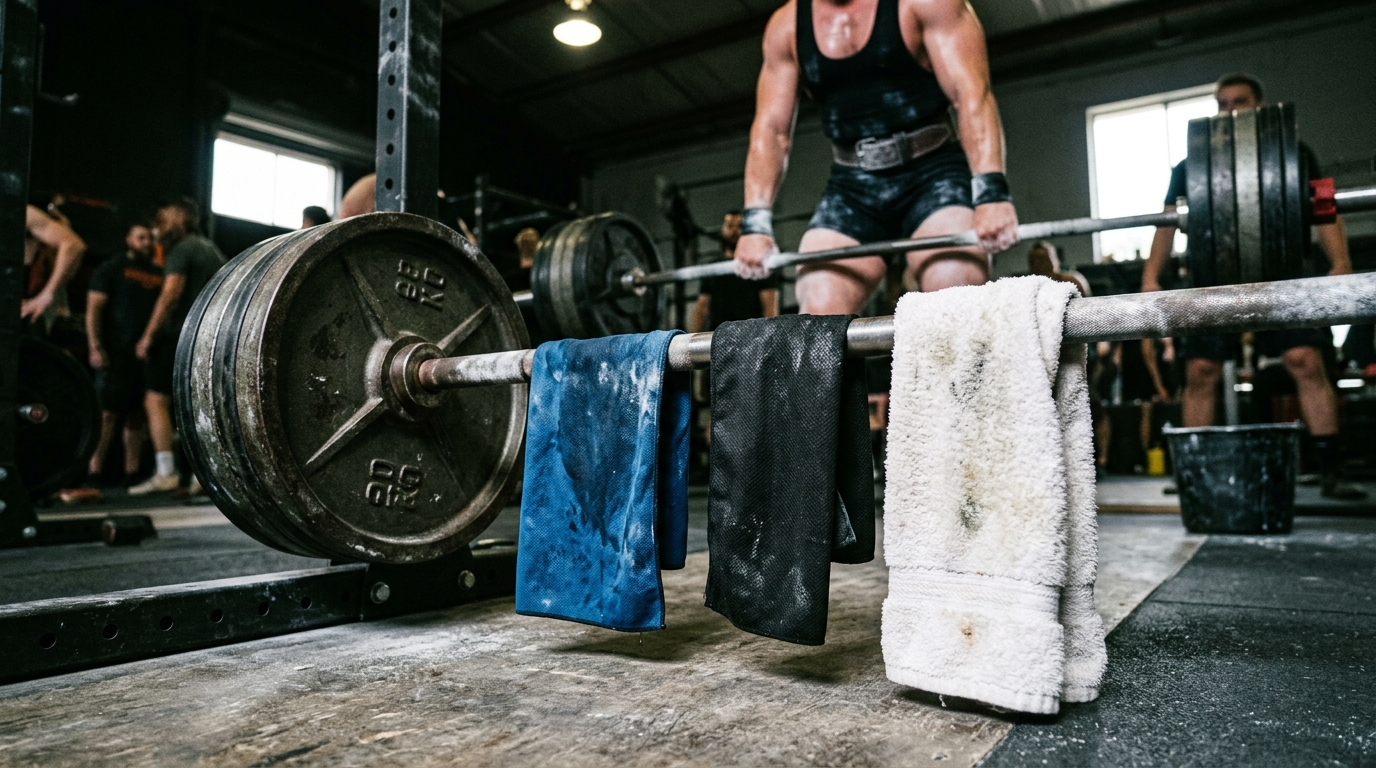
TL;DR
Microfiber gym towels offer the best balance of absorption, quick-drying properties, and durability for serious lifters who prioritize consistency in their training sessions. The Rainleaf Microfiber Towel (16"x32", $12-15) provides excellent sweat absorption while drying significantly faster than cotton. For lifters who track their training with apps like Kenso and need reliable gear that performs session after session, microfiber beats traditional cotton in nearly every metric except initial cost.
Best Gym Towels for Heavy Lifters: 2026 Rankings
1. Rainleaf Microfiber Towel
The gold standard for serious lifters who value performance over tradition.
- Size: 16"x32" (good for equipment wiping and personal use)
- Absorption: Holds several times its weight in water
- Dry time: Dries far faster than cotton towels
2. Mission Cooling Towel
Instant cooling technology meets superior absorption for intense training sessions.
- Size: 12"x33" with UPF 50 protection
- Special feature: Activated cooling when wet
- Material: 100% polyester with cooling fibers
3. Dock & Bay Quick Dry Towel
Lightweight option that doesn't compromise on absorption.
- Size: Multiple sizes (Medium: 20"x40")
- Weight: Noticeably lighter than cotton equivalents
- Dry time: Dries much faster than traditional towels
4. Everplush Diamond Jacquard Towel
Premium cotton option for lifters who prefer traditional materials.
- Material: 100% cotton with diamond weave
- Absorption: Superior to standard cotton
- Durability: Reinforced edges for gym bag wear
5. Lunatec Odor-Free Towel
Antibacterial properties for lifters training multiple sessions per day.
- Technology: Chitosan fiber naturally helps prevent odor
- Size: 12"x24" compact design
- Maintenance: No fabric softener needed
6. PackTowl Personal Towel
Ultralight option for lifters who minimize gym bag weight.
- Weight: Just a couple of ounces for the medium size
- Compressibility: Packs down small when compressed
- Absorption: Holds several times its weight in water
7. Turkish Cotton Gym Towel by Cacala
Traditional cotton with modern gym-specific sizing.
- Material: 100% Turkish cotton, 400 GSM
- Size: 16"x32" gym-optimized dimensions
- Durability: Double-stitched edges for heavy use
Material Comparison: What Works Best for Serious Training
| Material | Absorption Rate | Dry Time | Durability | Odor Resistance | Price Range |
|---|---|---|---|---|---|
| Microfiber | Excellent | Fast (2-3 hours) | Very Good | Good | $10-20 |
| Quick-Dry Synthetic | Good | Very Fast (1-2 hours) | Excellent | Excellent | $15-30 |
| Traditional Cotton | Good | Slow (6-8 hours) | Good | Poor | $8-15 |
| Turkish Cotton | Very Good | Moderate (4-6 hours) | Excellent | Fair | $15-25 |
| Bamboo Fiber | Good | Fast (2-4 hours) | Good | Excellent | $12-22 |
Understanding Gym Towel Materials
Microfiber: The Performance Leader
Microfiber towels dominate the gym environment for good reason. The ultra-fine synthetic fibers create more surface area than traditional materials, allowing them to absorb several times their weight in moisture. For lifters who track their training progression consistently, microfiber towels dry quickly between sessions, helping prevent the bacterial growth that creates odors.
The key advantage for serious lifters is reliability. When you're following a structured program and need your gear to perform consistently, microfiber delivers the same absorption and quick-dry performance session after session.
Quick-Dry Synthetic Blends
Modern synthetic blends combine polyester, nylon, and specialized fibers to create towels that dry in 1-2 hours. These materials excel in high-humidity environments and resist the musty odors that plague cotton towels left in gym bags.
The trade-off is texture. Synthetic quick-dry towels often feel less soft than cotton alternatives, though newer blends have significantly improved the hand-feel.
Traditional Cotton: When Comfort Matters Most
Cotton towels remain popular for their familiar feel and superior comfort against skin. Turkish cotton and Egyptian cotton varieties offer enhanced absorption compared to standard cotton, making them viable for lifters who prioritize comfort over performance metrics.
The downside for serious lifters is maintenance. Cotton towels require more frequent washing, take longer to dry, and develop odors more quickly than synthetic alternatives.
Size Guide: Matching Towel Dimensions to Training Style
Personal Use Towels (12"x24" to 16"x32")
Ideal for face and hands during training sessions. These compact sizes fit easily in gym bags and provide adequate coverage for personal hygiene without excess bulk.
Best for: Lifters who use gym showers or prefer minimal gear Top pick: Rainleaf Microfiber in 16"x32"
Equipment Towels (20"x40" to 24"x48")
Larger towels serve dual purposes: personal use and equipment wiping. The extra surface area helps with post-workout cleanup and provides full coverage when needed.
Best for: Home gym owners or lifters who prefer one towel for all uses Top pick: Dock & Bay Quick Dry in 20"x40"
Specialty Sizes
Some manufacturers offer gym-specific dimensions like 18"x36", designed to balance portability with functionality. These sizes work well for lifters who want more coverage than standard gym towels without the bulk of bath towel dimensions.
How to Choose the Right Gym Towel
- Match your training frequency: Daily lifters benefit from quick-dry materials that prevent odor buildup between sessions
- Consider your gym bag space: Microfiber and synthetic towels compress smaller when packed
- Factor in maintenance preferences: Cotton requires more washing and longer dry times
- Think about durability needs: Synthetic blends typically outlast cotton in high-use scenarios
- Account for skin sensitivity: Some lifters prefer cotton's natural feel over synthetic textures
Special Considerations for Heavy Lifters
Antibacterial Properties
Lifters who train intensely generate more sweat, creating ideal conditions for bacterial growth. Towels with built-in antibacterial treatments or naturally antimicrobial materials like bamboo fiber help maintain hygiene between washes.
The Lunatec Odor-Free Towel uses chitosan fiber technology that naturally helps prevent bacterial growth, making it well suited to lifters who train multiple times per day or prefer to wash towels less frequently.
Absorption vs. Dry Time Balance
Heavy lifting sessions produce significant sweat, requiring towels with high absorption capacity. However, towels that stay wet create hygiene issues and add weight to gym bags.
Microfiber towels like the Rainleaf model absorb several times their weight in moisture while drying in 2-3 hours, providing the best balance for serious lifters.
Durability Under Heavy Use
Lifters who train consistently put gear through more stress than casual gym-goers. Look for reinforced edges, quality stitching, and materials that maintain performance after repeated washing.
The Mission Cooling Towel and Dock & Bay Quick Dry models both feature reinforced construction designed for frequent use.
Maintenance and Care
Washing Guidelines
Microfiber towels: Wash in cold water without fabric softener, which can clog the fibers and reduce absorption. Air dry or use low heat.
Quick-dry synthetics: Most synthetic blends handle regular washing well. Avoid high heat in the dryer to prevent fiber damage.
Cotton towels: Wash in warm water with standard detergent. Cotton can handle higher heat but may shrink with repeated hot water washing.
Extending Towel Life
Regardless of material, proper care extends towel performance:
- Rinse immediately after use when possible
- Don't leave wet towels in gym bags for extended periods
- Rotate between multiple towels to allow complete drying
- Replace towels when they develop persistent odors or reduced absorption
Budget Considerations
Gym towels range from $8 for basic cotton options to $30+ for premium synthetic blends. For lifters who train consistently, investing in quality towels pays off through better performance and longer replacement cycles.
The sweet spot for most serious lifters falls in the $12-20 range, where quality microfiber and synthetic options provide excellent performance without premium pricing.
Making the Decision
For lifters who prioritize consistency in their training—whether tracking sessions with Kenso or following structured programs—gear reliability matters. A towel that performs the same way every session, dries quickly, and resists odors supports the intentional approach that serious lifters value.
Microfiber emerges as the clear winner for most lifting scenarios, combining superior absorption, quick drying, and reasonable pricing. The Rainleaf Microfiber Towel specifically offers the performance characteristics that support consistent training without the premium price of specialty athletic brands.
Frequently Asked Questions
What size gym towel is best for heavy lifters?
The ideal size for most heavy lifters is 16"x32", which provides adequate coverage for personal use and equipment wiping without excessive bulk in gym bags. Larger 20"x40" towels work well for lifters who prefer one towel for all purposes, while 12"x24" options suit minimalist packers who use gym facilities for showering.
How often should you wash gym towels?
Gym towels should be washed after every 2-3 uses maximum, or daily if you're training intensely. Microfiber and synthetic towels can often go 2-3 sessions before washing due to their odor-resistant properties, while cotton towels typically need washing after each use to prevent odor buildup.
Do microfiber gym towels really dry faster than cotton?
Yes, microfiber towels dry considerably faster than cotton due to their fine synthetic fiber structure. A microfiber towel will typically dry in 2-3 hours, while cotton towels can require 6-8 hours. This faster drying helps prevent bacterial growth and makes microfiber towels more practical for frequent gym-goers.
What's the difference between quick-dry and microfiber gym towels?
Quick-dry towels use various synthetic fiber blends optimized for rapid drying (1-2 hours), while microfiber specifically refers to ultra-fine synthetic fibers that excel at absorption. Some quick-dry towels are microfiber, but not all microfiber towels are marketed as "quick-dry." Both typically outperform cotton in gym environments.
Are antibacterial gym towels worth the extra cost?
For lifters who train multiple times per day or prefer washing towels less frequently, antibacterial treatments can be worthwhile. However, proper washing and drying practices with regular towels achieve similar hygiene results. The main benefit is convenience rather than necessity for most lifters.
How do you prevent gym towel odors?
Prevent odors by rinsing towels immediately after use when possible, never leaving wet towels in gym bags for extended periods, and washing towels every 2-3 uses maximum. Microfiber and synthetic materials naturally resist odor better than cotton. Avoid fabric softener with microfiber towels as it reduces their absorption capacity.
What's the best gym towel material for sensitive skin?
Cotton towels, particularly Turkish or Egyptian cotton varieties, offer the softest feel for sensitive skin. However, some lifters with sensitive skin prefer high-quality microfiber towels like the Rainleaf model, which provide a smooth texture without the rough feel of cheaper synthetic options.
Should you bring multiple towels to the gym?
Most lifters find one quality towel sufficient for typical training sessions. However, lifters doing extended sessions (2+ hours) or training in hot environments may benefit from bringing two smaller towels—one for personal use and one for equipment. This approach works better than one large towel for most gym bag configurations.
Ready to track your training with the same intention you choose your gear? Download Kenso to log your sessions and monitor your progression with tools designed for serious lifters.
This article contains affiliate links. We may earn a small commission at no extra cost to you.