
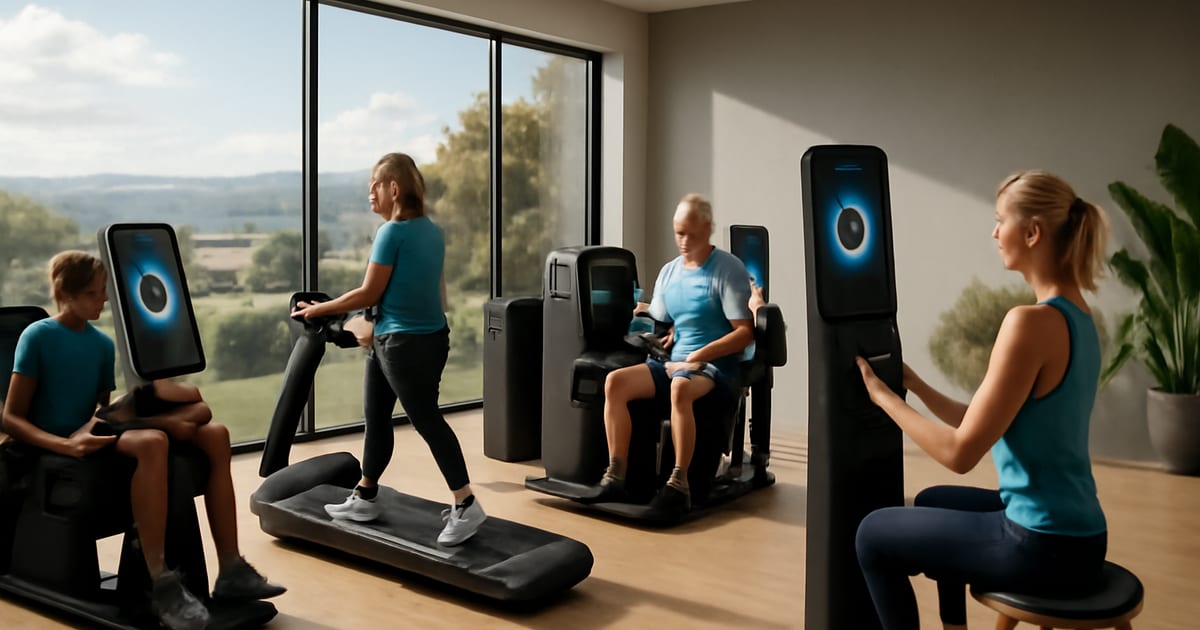
What Does EGYM's BioAge Update Mean for Fitness Tech in 2026?
EGYM's 2026 BioAge update signals that fitness tech is shifting from single-metric performance tracking toward longitudinal, multi-modal healthspan programming — combining strength, mobility, and cardio into a single, personalized plan rather than short-term performance snapshots. For serious lifters, it reflects what evidence-based training emphasizes: sustainable progression alongside sufficient stimulus, tracked over the long term. It's a development worth paying attention to.
What Happened
EGYM has rolled out an updated BioAge feature alongside a new Longevity Training program. (EGYM has publicized this direction in its product materials; specific rollout timing should be confirmed against EGYM's official announcements before relying on a fixed date.) According to the company, BioAge gives gym members a more precise way to measure and improve their healthspan — not just their fitness level at a single point in time.
The Longevity Training program integrates strength, mobility, and cardio into one structured, personalized plan. The stated goal is to deliver the right training stimuli for progression while keeping members active for the long term. This isn't a marketing pivot toward a softer audience — it's a product decision that reflects where the broader fitness technology industry is heading.
Why It Matters for the Fitness Technology Industry
EGYM's update doesn't exist in a vacuum. Wearable technology ranks as the #1 trend in the American College of Sports Medicine's most recent Worldwide Survey of Fitness Trends, published in ACSM's Health & Fitness Journal, and AI-powered coaching is increasingly common across both consumer apps and commercial gym platforms. The industry is converging on a shared thesis: personalized, data-driven programming can produce better long-term outcomes than generic plans.
What makes the BioAge update notable is its framing. Rather than optimizing for a single metric — one-rep max, VO2 max, body composition — it attempts to synthesize multiple training variables into a composite healthspan indicator. That's a more honest representation of what long-term training actually does.
For the fitness technology sector broadly, this raises the bar. Members and lifters are increasingly sophisticated consumers of training data. Products that offer surface-level tracking without actionable structure are losing ground to platforms that connect data to intelligent programming decisions.
What This Means for Serious Lifters
If you're already training with intention and tracking your sessions systematically, EGYM's direction validates the approach you've likely been taking for years. A few practical implications:
- Longevity is a training variable, not a soft goal. Structuring your program around sustainable progression — managing fatigue, rotating stimulus, respecting recovery — is the same logic that underlies healthspan-focused training. These aren't separate philosophies.
- Composite metrics matter more than isolated numbers. A single strong bench press session tells you less than a consistent 12-week progression trend. Platforms that track patterns over time give you more actionable information than those that optimize for today's output.
- Mobility and cardio aren't accessories. EGYM's integration of all three modalities into one program reflects a broader training reality: while concurrent training can produce interference effects on strength and hypertrophy when volume and recovery aren't managed, maintaining aerobic capacity and mobility supports overall healthspan. The point is deliberate programming, not treating each modality in isolation.
For lifters using Kenso, this industry direction reinforces the value of logging every session and letting your training history drive programming decisions. Kenso's rule-based double-progression engine is built on exactly this principle — structured, consistent progression informed by your actual performance data, not generic templates.
The Broader Shift: From Engagement Mechanics to Programming Structure
The fitness technology industry spent years competing on engagement-driven features — streaks, badges, social features, leaderboards. EGYM's BioAge update is part of a quieter but more significant trend: competing on structure.
Structure means personalized programming that adjusts based on real data. It means tracking variables that inform long-term adaptation, not just short-term effort. And it means helping lifters make better decisions session to session, not just showing up.
This is where Kenso has always positioned itself. The Claude-powered AI Coach — a premium feature in Kenso — has access to your full training history, which means its recommendations are grounded in what you've actually done, and it can create or adjust programs on request. That's the same logic EGYM is now applying at the commercial gym level.
The convergence is worth noting: whether you're training in a commercial facility with smart equipment or logging sessions independently in an iOS app, the underlying principle is the same. Intelligent, personalized, long-term programming outperforms streaks and leaderboards. The industry is building toward that standard.
Conclusion
EGYM's BioAge update and Longevity Training program are a credible signal that fitness technology is maturing. The emphasis on healthspan, structured programming, and multi-modal training reflects a more honest understanding of what consistent training actually produces over years — not weeks. For lifters who already train with data and intention, this is confirmation of an approach that works. For the industry, it raises the question of which platforms can deliver on that promise at the individual level, session by session, over the long term.
FAQ
What is EGYM's BioAge feature and how does it work?
EGYM's BioAge is a fitness metric designed to give gym members a measure of their healthspan relative to their chronological age. The updated version integrates strength, mobility, and cardio data into a single composite score, with the goal of tracking and improving long-term physical health rather than isolated performance metrics.
How does longevity-focused training differ from standard strength programming?
Longevity-focused training prioritizes sustainable adaptation over any single performance outcome. It typically integrates strength, mobility, and cardiovascular work into a structured plan, manages cumulative fatigue deliberately, and uses long-term progression trends rather than short-term peaks as the primary measure of success. Standard strength programming can incorporate these principles, but many commercial programs don't.
What fitness technology trends are shaping the industry in 2026?
Wearable technology ranks #1 in the ACSM's most recent Worldwide Survey of Fitness Trends, with AI-powered coaching and personalized programming ranking highly as well. The broader direction is toward platforms that connect tracking data to intelligent, adaptive programming — moving beyond simple logging toward tools that help lifters make better decisions over time.
How can serious lifters benefit from tracking training data over time?
Longitudinal training data reveals patterns that single-session metrics miss — progressive overload trends, recovery needs, and the relationship between training variables and performance. Progressive overload — the gradual increase of training stress over time — is a foundational driver of strength and hypertrophy adaptation, and tracking your history makes it possible to apply that principle (and autoregulate around fatigue) rather than guessing. Apps like Kenso are built around making that data actionable session to session.
Is healthspan a useful goal for strength-focused lifters?
Yes. Healthspan — the period of life spent in good physical health — is directly influenced by the same variables serious lifters already track: strength, mobility, and cardiovascular fitness. Framing these as longevity investments rather than performance metrics doesn't change the training; it changes the time horizon, which often leads to more sustainable programming decisions.