
Flat Seam vs Bonded Seam Gym Apparel: Which Construction Handles Heavy Lifting Without Chafing?
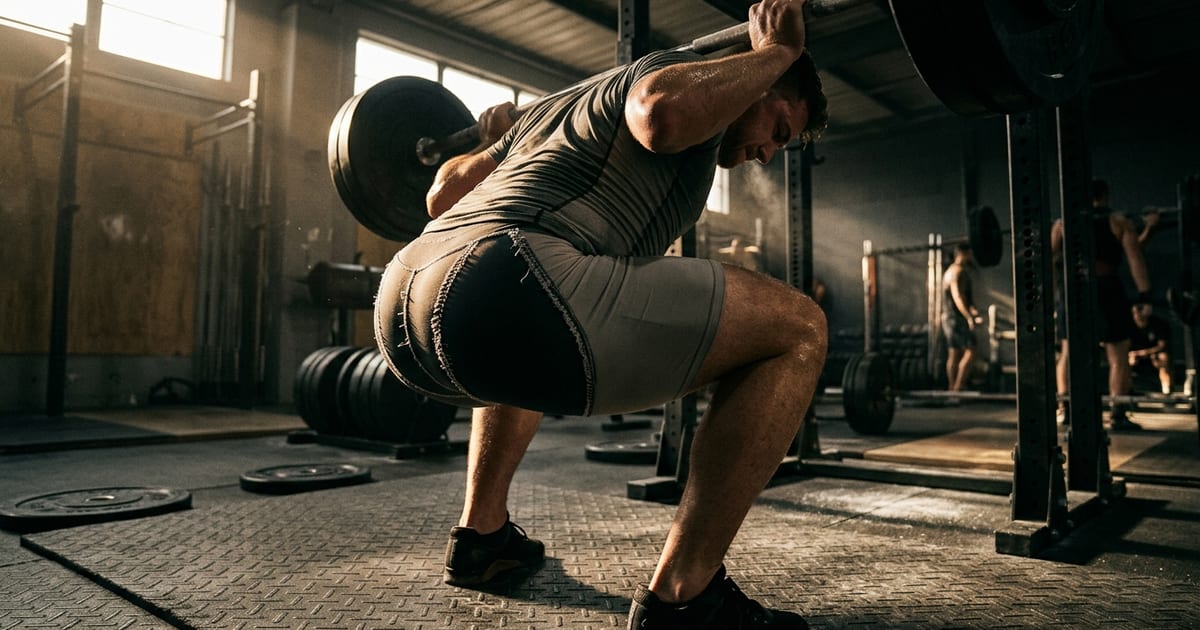
For heavy lifting, flat seam (flatlock) gym clothes are the better choice over bonded seams. Flatlock stitching lies flush against the skin with no raised ridge, which eliminates the repetitive friction that causes chafing during loaded movement patterns. Bonded seams offer a cleaner aesthetic and strong tensile hold, but they can lift and roll under sustained pressure — a real problem when a barbell is driving fabric into your traps or a belt is pressing against a waistband seam.
Why Seam Construction Actually Matters for Lifters
Most lifters think about fabric weight and stretch. Seam construction rarely makes the shortlist — until the first time a standard overlock seam turns a two-hour squat session into a skin problem.
Standard overlock seams (the default on most budget activewear) fold the fabric edge and stitch over it, creating a small raised ridge. Under a loaded bar, a belt, or a knee sleeve, that ridge becomes a pressure point. Over multiple sets, it chafes.
Flat seam and bonded seam construction both exist to solve this. They take different approaches.
How Flatlock Seams Work
Flatlock stitching joins two fabric panels edge-to-edge rather than folding one over the other. The result is a seam that sits completely flush — no ridge on either side of the fabric.
For lifting specifically, this matters in a few key areas:
- Shoulder seams under a barbell during squats or good mornings
- Waistband seams under a lifting belt
- Inner thigh seams during sumo pulls or wide-stance squats
- Underarm seams during overhead pressing
Flatlock seams are mechanically stitched, so they maintain integrity even when the fabric stretches significantly under load. They don't separate or peel.
How Bonded Seams Work
Bonded (or welded) seams use heat, ultrasonic energy, or adhesive to fuse fabric panels together without thread. There's no stitch line at all — just a clean, nearly invisible join.
The advantages are real: bonded seams are exceptionally smooth, they don't fray, and they look minimal. This is why you see them on competitive swimwear and compression tights designed for running.
The limitation for lifting: bonded seams can delaminate under repeated high-tension stress, particularly in areas that experience both stretch and compression simultaneously — like a hip crease during a deadlift. As a general mechanical principle, adhesive and welded joints are susceptible to peel and creep failure under cyclical loading, whereas a stitched seam distributes stress along the thread line — and heavy lifting produces exactly that kind of repeated, cyclical stress session after session.
Which Should You Choose?
For most lifters, flatlock seams are the practical default. They're durable, chafe-free under load, and tend to hold up better over the long haul, since mechanical stitching is less prone to the peel-type failure bonded seams can develop.
Bonded seams make sense in specific contexts:
- Lighter training days or cardio work where fabric tension is lower
- Compression tights worn under shorts (less direct friction)
- Apparel where aesthetics matter and loads are moderate
If you're training with a belt, pulling heavy, or spending real time under the bar, prioritize flatlock construction. Check the product description specifically — brands worth buying from will call it out by name.
What to Look for When Buying
- Look for "flatlock" or "flat seam" in the product specs — not just "seamless" (which refers to knit construction, a different category)
- Check seam placement against your gear — if you wear a belt, find where the waistband seam sits
- Fabric weight matters too — a 200+ GSM fabric with flatlock seams will outlast a lightweight bonded option under heavy use
Tracking your training consistently with Kenso means you're logging real sessions, real loads, and real volume over time. It makes sense to invest in apparel built to the same standard — designed for the long run, not just a few weeks of use.
Frequently Asked Questions
What is the difference between flat seam and bonded seam gym apparel?
Flat seam (flatlock) construction uses edge-to-edge stitching that lies flush against the skin. Bonded seams fuse fabric panels with heat or adhesive and contain no thread. Flatlock seams are generally more durable under cyclical load; bonded seams are smoother but can delaminate over time.
Are flat seam gym clothes worth the higher price for lifting?
For lifters who train consistently, yes. The durability and chafe-free performance of flatlock construction tends to hold up better under repeated heavy use than standard overlock or bonded seams typically do.
Where do seams cause the most chafing during heavy lifting?
The highest-friction zones for lifters are the shoulder seams (under a barbell), inner thigh seams (during squats and deadlifts), waistband seams (under a belt), and underarm seams (during overhead work).
Can bonded seams handle heavy lifting?
Bonded seams can handle moderate lifting, but they're more prone to delamination under the repeated high-tension, high-compression stress that heavy compound movements produce. They're better suited to running, cycling, or lighter training.
How do I know if gym apparel uses flatlock seams?
Check the product description for the terms "flatlock," "flat seam," or "flat-locked seams." You can also run your finger along the seam — flatlock seams feel flush on both sides with no raised ridge.
Ready to train with the same intention you bring to your gear choices? Kenso is an iOS app built for lifters who track their training seriously — with a rule-based progression engine and a Claude-powered AI Coach that works from your actual session history. Download Kenso and start building a training record worth analyzing.
This article contains affiliate links. We may earn a small commission at no extra cost to you.