
Four-Way Stretch vs Two-Way Stretch Fabric: What Actually Matters for Barbell Training?
For barbell training, four-way stretch fabric is the better choice in most cases. It stretches horizontally, vertically, and diagonally — then returns to shape — which means it moves with you through the full range of a squat or deadlift without pulling or restricting. Two-way stretch fabric only extends in one plane, which can work fine for upper-body pressing but tends to bind at the hips and knees during lower-body compound movements.
What the Difference Actually Means in Practice
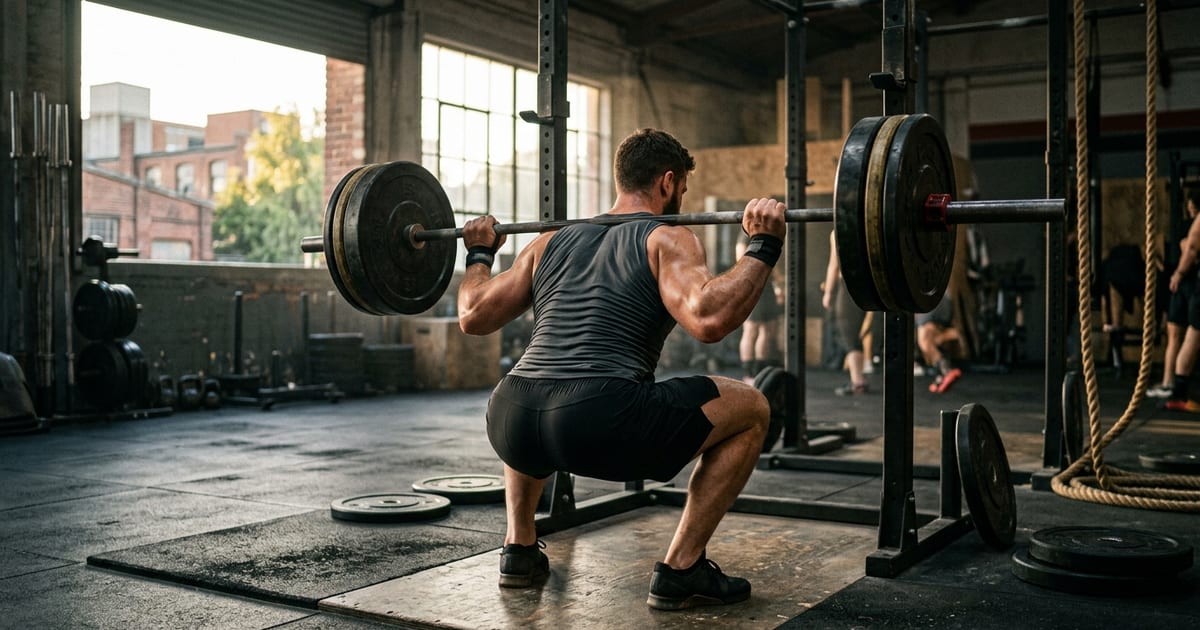
Two-way stretch fabrics extend either side-to-side or lengthwise — not both. Think of a standard cotton-lycra jersey: it gives across the chest but resists vertical pull. That works for a bench press. It doesn't work well when you're in the bottom of a squat with your hips driving back and your knees tracking wide.
Four-way stretch fabrics — typically built from nylon or polyester blended with spandex/elastane — extend in both directions simultaneously. That diagonal give is what prevents the fabric from locking up mid-movement. For any lift that requires hip flexion beyond 90 degrees, this distinction is real and noticeable.
Where Two-Way Stretch Still Has a Place
Two-way stretch isn't a lesser product — it's a different tool. Its tighter construction means:
- More compression and shape retention over time
- Slower stretch fatigue, since the fabric isn't being pulled in multiple directions each session
- Better structure for garments where you want defined fit rather than adaptive give
For training tops, hoodies, and upper-body layers, two-way stretch is often the smarter call. The range of motion demands on a torso during pressing or rowing are simply lower than what your hips and legs go through under load.
The Fabric Specs That Actually Matter for Squats and Deadlifts
When you're evaluating stretch fabric for lifting, look beyond the marketing language. Here's what to check:
- Spandex/elastane content: As a general rule of thumb, a moderate elastane percentage (often cited in the mid-teens to low-20s range for apparel) tends to balance stretch and recovery well for four-way stretch gym wear. Very low elastane can leave recovery sluggish, while very high content can trade off durability. Treat these as typical industry ranges rather than fixed cutoffs.
- Recovery rate: A fabric that stretches but doesn't snap back quickly will sag and bag out within a training block. Look for terms like "quick-recovery" or "compression-grade elastane."
- Fabric weight: Heavier four-way stretch generally holds its shape better under load. Lighter fabrics are fine for cardio but can feel unstable when you're braced under a barbell.
- Gusset construction: Even the best four-way stretch fabric is limited by a poorly placed seam. A diamond gusset or articulated crotch panel matters as much as the fabric itself for squat depth.
What This Means for Building Your Training Wardrobe
If you're training lower-body compound movements consistently — which any well-structured program will have you doing — four-way stretch workout clothes aren't a luxury. Restricted movement at the bottom of a squat is a technical problem, and fabric that fights your range of motion adds unnecessary noise to your form.
That said, you don't need every item in your kit to be four-way stretch. Reserve it for shorts, tights, and joggers. For tops and outerwear, two-way stretch with good cut and fit will serve you well.
Recommended Products for 2026
For lower-body training, these four-way stretch options are worth considering:
- Gymshark Apex Seamless Leggings — articulated knees, solid recovery (check the product spec sheet for exact fabric composition)
- Lululemon ABC Slim-Fit Trouser 32" Warpstreme — four-way stretch, structured enough for daily wear, performs well under load
- Nike Dri-FIT ADV A.P.S. Fleece Training Pants — heavier-weight four-way stretch for colder training environments
- Vuori Performance Jogger — reliable recovery across high-rep squat sessions (confirm the polyester/elastane blend on the manufacturer's spec sheet)
For upper-body layers where two-way stretch is appropriate:
- NOBULL Training Pullover Hoodie — structured fit, durable two-way stretch fleece
- Rhone Reign Short Sleeve Shirt — two-way stretch with anti-odor treatment, holds shape well session to session
Tracking Progression, Not Just Comfort
Apparel is infrastructure. It should remove friction, not create it. The same logic applies to how you track your training: when your logging system fights you, you stop using it. Kenso is built around that principle — a clean iOS interface with a rule-based progression engine that handles your automatic weight/rep recommendations and deload triggers, based on what you've already logged. Separately, your Claude-powered AI Coach has tool access to your full training history logged in Kenso, and can incorporate Apple Health metrics like recovery and sleep — creating or adjusting programs when you ask it to via chat.
Good fabric and consistent tracking both serve the same goal: fewer variables between you and the work.
Frequently Asked Questions
Is four-way stretch fabric better than two-way stretch for squats?
Yes, for squats specifically. Four-way stretch moves with hip flexion, knee drive, and lateral spread simultaneously. Two-way stretch can restrict movement at the bottom of a deep squat, particularly around the hips.
What percentage of spandex should gym leggings have for barbell training?
There's no single fixed number, but a moderate elastane content (commonly in the mid-teens to low-20s range across performance apparel) tends to provide enough give for full range-of-motion lifts while maintaining shape over repeated sessions. Check the manufacturer's spec for the exact blend.
Does two-way stretch fabric last longer than four-way stretch?
Generally, yes. Two-way stretch fabrics resist overstretching because they're only being pulled in one plane. Four-way stretch fabric, when made with quality elastane and appropriate fabric weight, can still last multiple training years with proper care.
What is the best fabric stretch for deadlifts?
Four-way stretch with a gusset panel is the most practical choice. Deadlifts require significant hip hinge and hamstring loading, which demands fabric that yields both lengthwise and across the body without pulling seams.
Can I use two-way stretch shorts for leg day?
You can, but you may notice restriction at the hip crease during deep squats or Romanian deadlifts. If your shorts have a long inseam and no gusset, two-way stretch will compound that limitation. For serious lower-body sessions, four-way stretch gym wear is the more reliable option.
Ready to bring the same attention to detail to your training data? Download Kenso on iOS and start logging your sessions.
This article contains affiliate links. We may earn a small commission at no extra cost to you.