
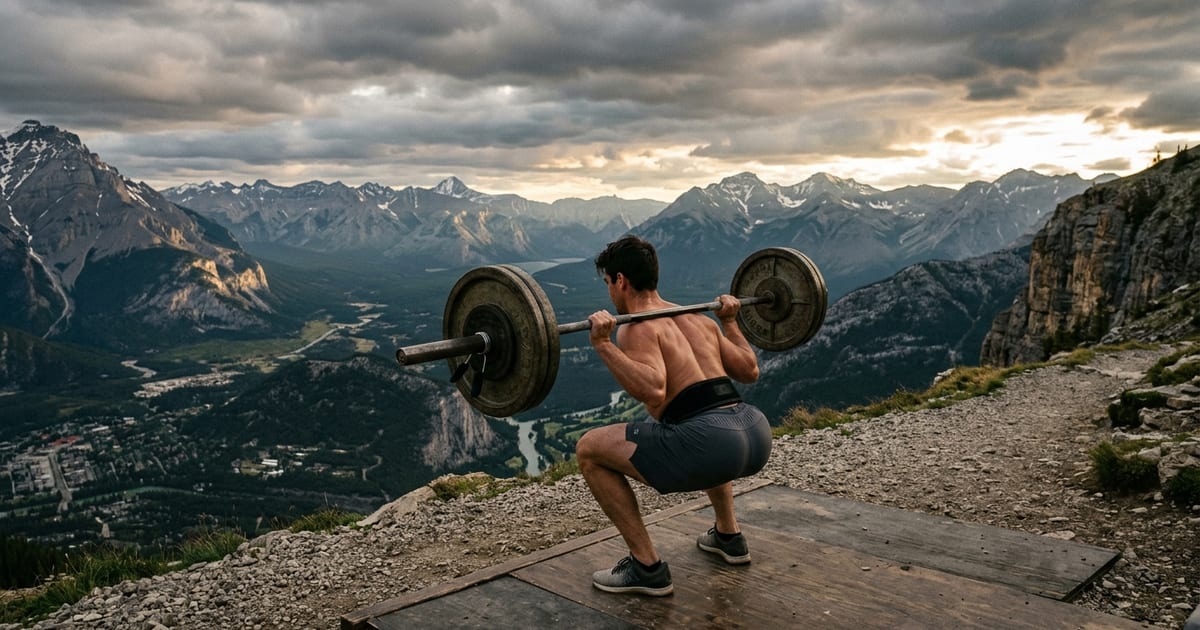
Gym Shorts Inseam Length: Does It Affect Squat Depth?
Short answer: probably not in any measurable way. There's no good evidence that shorts inseam changes your actual squat depth or hip range of motion — fabric tension is negligible next to the muscular and joint forces involved in a squat. What inseam length does affect is comfort: whether fabric riding up at the hip crease distracts you mid-set. On that basis, many lifters find a 7-inch inseam a comfortable all-around choice. Treat everything below as gear-comfort opinion, not training science.
Why Inseam Length Is a Comfort Question, Not a Mobility One
This isn't about aesthetics — but it also isn't about biomechanics. When fabric bunches at the hip crease during a squat, it can feel like a pull against full hip flexion. In reality, the tension a stretchy waistband or short leg puts on your hip is trivial compared to the forces your muscles and joints generate under load, so it won't meaningfully cap your range of motion. What it can do is nag at your attention: a short that keeps riding up is a distraction, and distraction is worth eliminating.
The distraction is most noticeable with:
- 5" inseams on lifters with larger thighs or wider hips
- Stiff or low-stretch fabrics regardless of length
- Deep squat variations like ATG squats, goblet squats, or pause squats
If your shorts are riding up mid-set, that's not a mobility limiter — but it is annoying enough to fix.
The Inseam Length Guide by Training Style
5-Inch Inseam: HIIT, Cardio, Studio Work
A 5" inseam works well for lateral movement, cycling, and studio-style training where coverage during deep squats isn't the priority. The shorter cut allows airflow and reduces fabric bunching during high-rep, upright movements.
The tradeoff: higher ride-up risk during any deep hip flexion. If you're programming back squats, Bulgarian split squats, or deep lunges, a 5" inseam may feel fussier — though it won't actually shorten your squat.
7-Inch Inseam: General Strength Training
This is a practical sweet spot for most gym sessions. A 7" inseam tends to stay in place during deep squats, covers enough thigh to prevent skin-to-bench contact on seated exercises, and doesn't add bulk. Paired with a stretchy blend, it's the kind of short you stop noticing.
For tracking squat sessions in Kenso, a 7" short is the format you'll forget you're wearing — which is exactly the point.
9-Inch Inseam: Heavy Lifting and Floor Work
A 9" inseam suits powerlifting-style sessions, deadlift-heavy programming, or any training that involves extended time on the floor. The additional coverage reduces friction against equipment and keeps things consistent across positions.
The downside is comfort, not capability: longer shorts can feel restrictive if the fabric doesn't have enough stretch. Prioritize a polyester-elastane blend over cotton at this length.
Fabric Matters as Much as Length
For comfort, fabric matters at least as much as length. A 7" short in a stiff polyester shell will feel more restrictive than a 5" short with a quality four-way stretch construction — again, this is about how the short feels, not a hard limit on how deep you can go.
Look for:
- A blend with meaningful stretch (typically polyester with some elastane) for freedom of movement and shape retention
- Moisture-wicking finish to reduce friction during longer sessions
- Inner liner to eliminate the need for separate compression shorts
Recommended Shorts by Inseam
Based on current options and real-world testing:
- 5" inseam: Vuori Kore Short (5") — lightweight, four-way stretch, good for studio and cardio work
- 7" inseam: Vuori Kore Short (7") — a versatile option for general strength training
For a longer 9" option, rather than name a placeholder, look for any training short in a polyester-elastane blend with genuine four-way stretch and verify the inseam and fabric composition on the current product listing before buying. Specs and models are updated regularly, so confirm the details yourself.
Tracking What's Actually Limiting Your Squat
If you're logging squat sessions consistently in Kenso, you already have data worth reviewing. Load, RPE, and energy patterns across sessions — plus any depth notes you record yourself — can help you notice when something feels off from one week to the next. Kenso doesn't measure your squat depth or diagnose mobility limits, but the trends you track can prompt you to look closer at your setup, including whether a gear issue is worth ruling out.
Choosing the right inseam length won't add 20kg to your squat, and it won't change your range of motion. But removing an avoidable distraction helps you focus on what actually matters: load and technique.
Ready to track what's actually driving your squat progress? Download Kenso on iOS and start logging with intention.
Frequently Asked Questions
What inseam length is best for squats?
There's no evidence inseam length changes your squat depth, so "best" comes down to comfort. Many lifters find a 7-inch inseam a good all-around pick: it tends to stay in place during deep hip flexion and provides enough coverage for bench and floor work without feeling fussy.
Can short gym shorts limit squat depth?
Not meaningfully. A 5-inch inseam can ride up at the hip flexor crease during deep squats, which can feel like it's in the way — but fabric tension is negligible relative to the muscular and joint forces in a squat, so it isn't actually restricting your range of motion. It's a comfort and distraction issue, most noticeable in lifters with larger thighs.
Is a 5-inch or 7-inch inseam better for the gym?
It depends on your training and preference. A 5-inch inseam suits cardio, HIIT, and studio work. A 7-inch inseam is often more comfortable for strength training, squats, and compound lifts where coverage matters and you don't want fabric riding up.
Does fabric affect hip mobility in gym shorts?
Fabric affects comfort more than actual mobility. A blend with meaningful stretch (typically polyester with some elastane) moves with you and feels less restrictive during deep squats and dynamic movements, but it won't unlock range of motion your joints and muscles don't already have.
What gym shorts are best for heavy lifting?
For heavy lifting, a 7-to-9-inch inseam short in a polyester-elastane blend is a practical, comfortable standard. Look for current options with genuine four-way stretch for squat-heavy and deadlift-focused sessions, and check fabric composition before buying.
This article reflects gear-comfort opinion, not training science. It contains affiliate links; we may earn a small commission at no extra cost to you.