
Articles
Training insights and progression strategies.

What's the Best Way to Track Exercise Progression Beyond Weight?
Discover 7 progression metrics that matter more than weight increases for tracking real training progress and building lasting strength.

What's the Real Difference Between Bro Split and Science-Based Training?
Understanding the fundamental differences between bro split and science-based training approaches can transform your progression in the gym.

The Training Mindset That Actually Works Long-Term
The most successful lifters share a specific training mindset that prioritizes process over outcomes. Here's how to develop it.

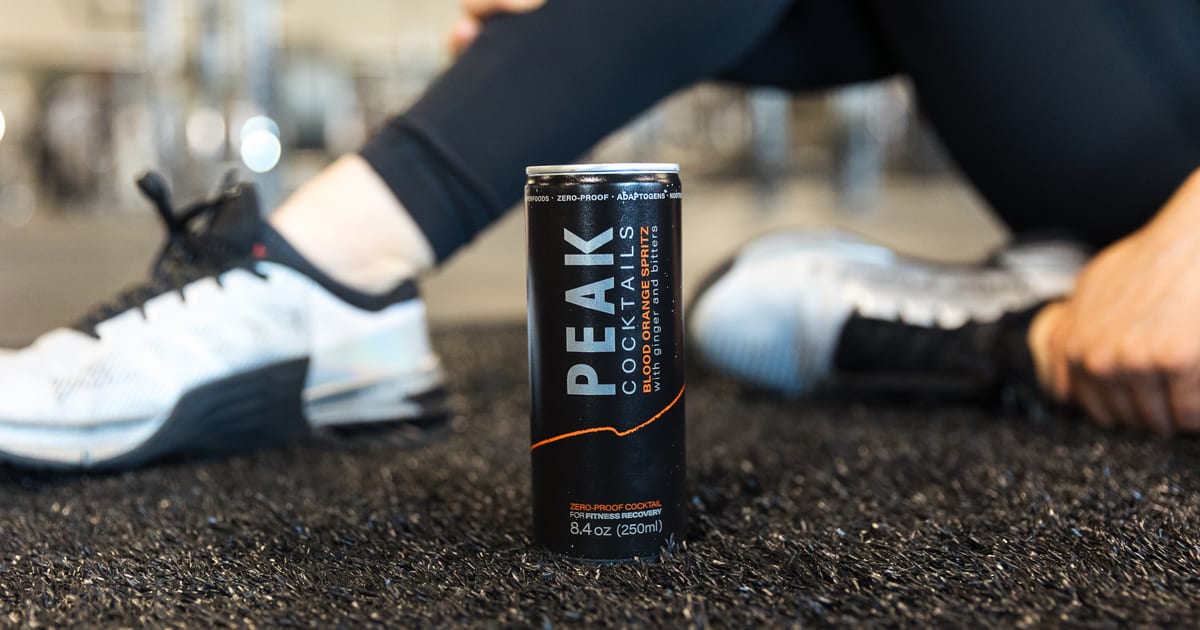
We Partnered with Peak Cocktails (Zero-Proof Functional Drinks)
We've partnered with Peak Cocktails to bring Kenso users zero-proof functional cocktails loaded with adaptogens and superfoods. Here's why we vetted them and what it means for you.
The Night I Skipped My Post-Workout Beer (And What I Found)
Last month I skipped my usual post-workout beer and noticed something unexpected about my recovery. Here's what I'm doing instead.

Why I Swapped Coffee for Greens (And What Actually Changed)
Three months ago I started scooping greens powder instead of reaching for coffee. Here's what actually changed — and what didn't.
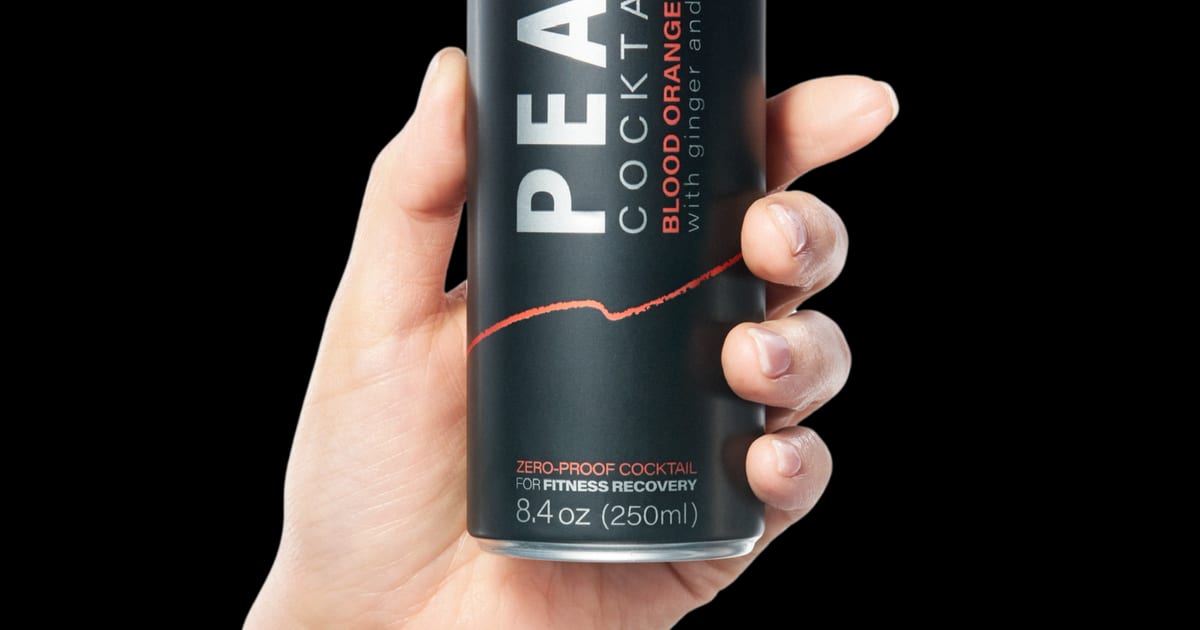
Why One Drink Kills Deep Sleep (And What Athletes Use Instead)
New research reveals even moderate drinking devastates the sleep phases athletes need most for recovery. Here's what the data shows and what works instead.

What Recovery Metrics Actually Matter for Training?
HRV, sleep score, and strain are the three recovery metrics that actually impact your training decisions. Here's how to interpret and use each one effectively.

What Are the Top 5 Beginner Gym Mistakes That Actually Slow Progress?
Five specific beginner mistakes that genuinely impact your progression, plus how to avoid them from day one.
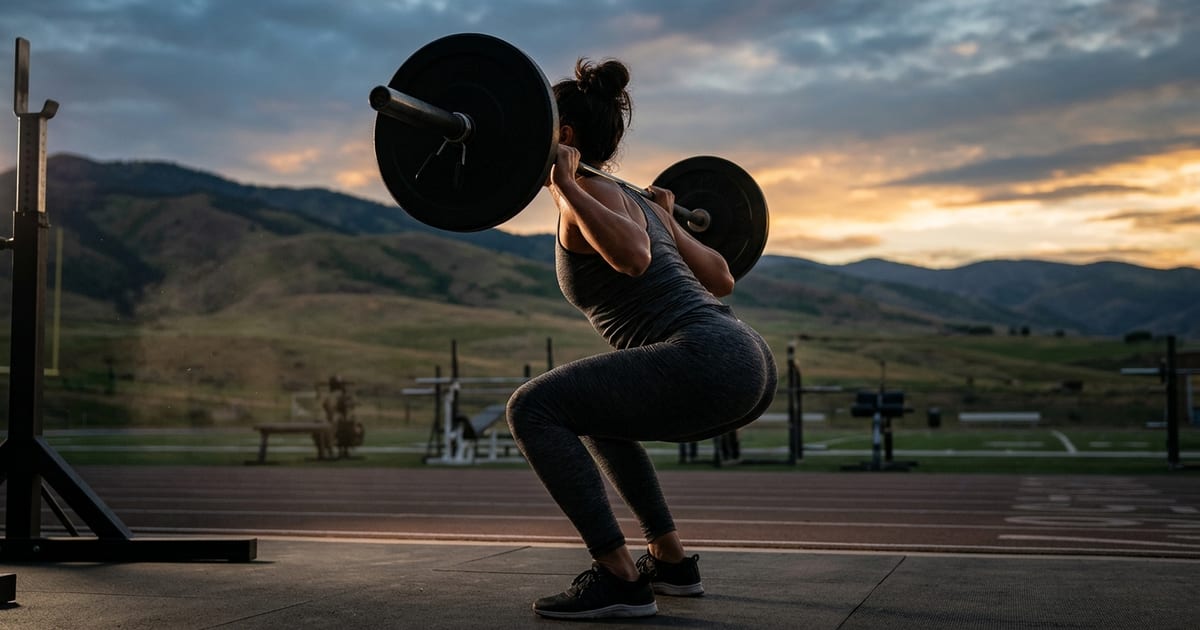
What Makes Gym Pants Actually Stay Opaque During Deep Squats?
The key to truly squat-proof leggings lies in dense fabric construction and performance materials that maintain opacity under stress.
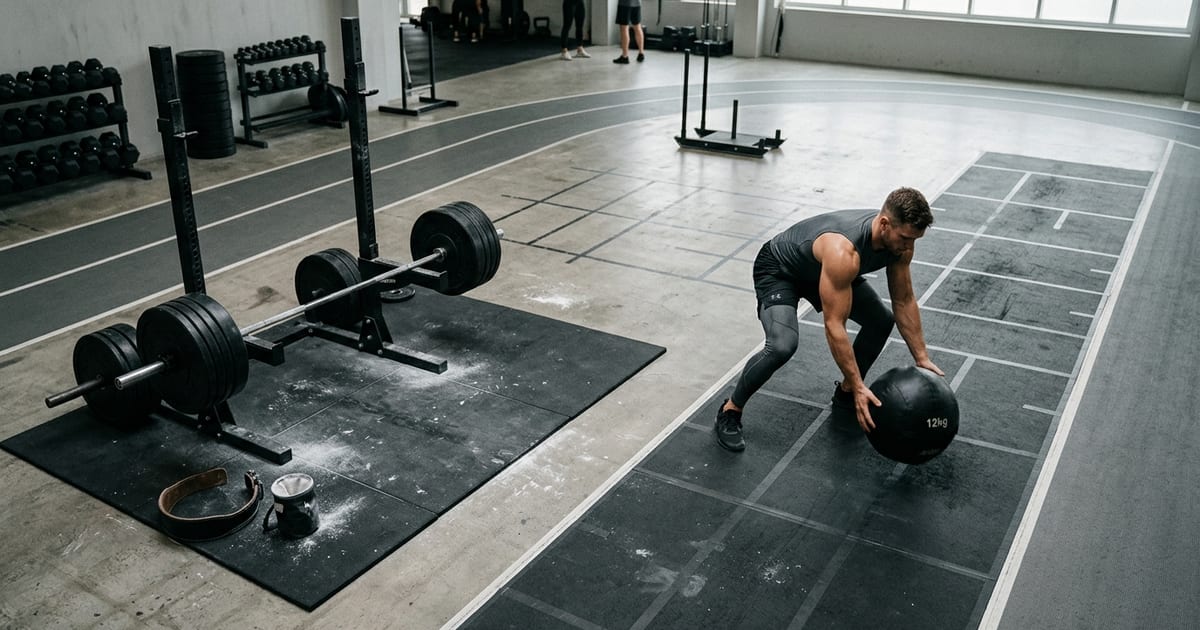
What's the Best Way to Use Contrast Training for Power?
Learn how contrast training combines heavy lifting with explosive movements to unlock your maximum power potential through post-activation potentiation.
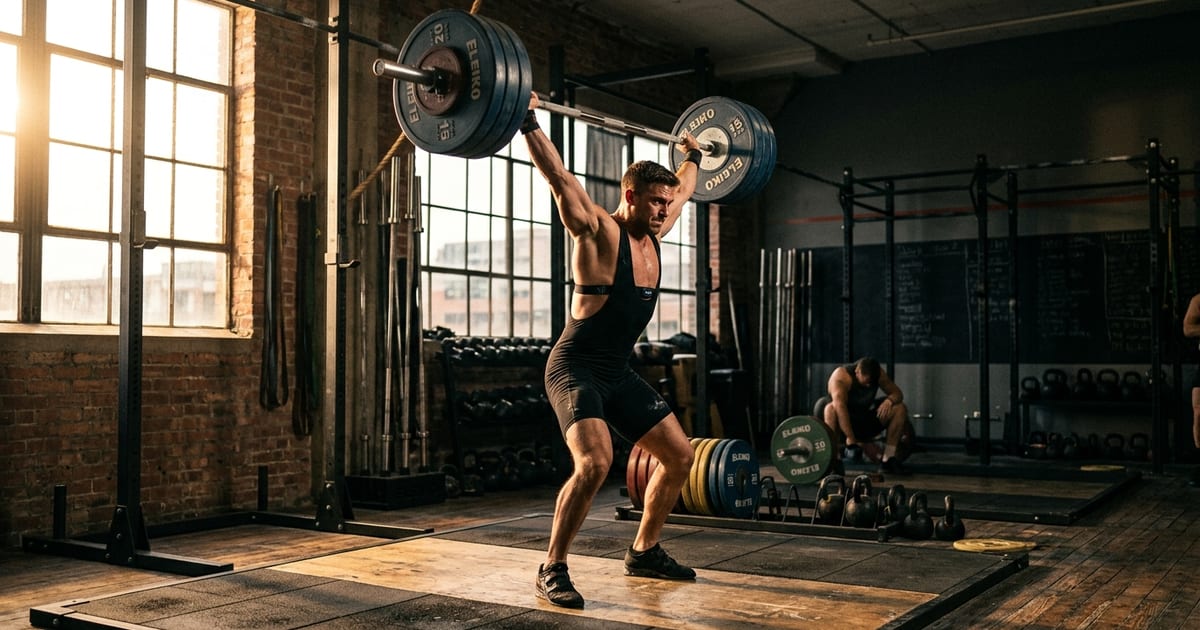
Which Sleep Metrics Actually Predict Lifting Performance?
HRV and sleep duration matter most for lifters. Learn which recovery metrics actually predict your training performance.
One research breakdown a week.
The study, the effect size, what it actually means for your training. No fluff. No spam. Unsubscribe in one click.