
Articles
Training insights and progression strategies.

What's the Best Way to Fix Squat Depth Issues?
Limited squat depth typically comes from ankle and hip mobility restrictions that can be addressed through targeted mobility work.

What Causes Strength Plateaus and How Do You Break Them?
Strength plateaus happen when your body adapts to the current training stimulus. The most common causes are insufficient volume, poor recovery, lack of variation, and stale programming. Here's how to identify your bottleneck and break through.
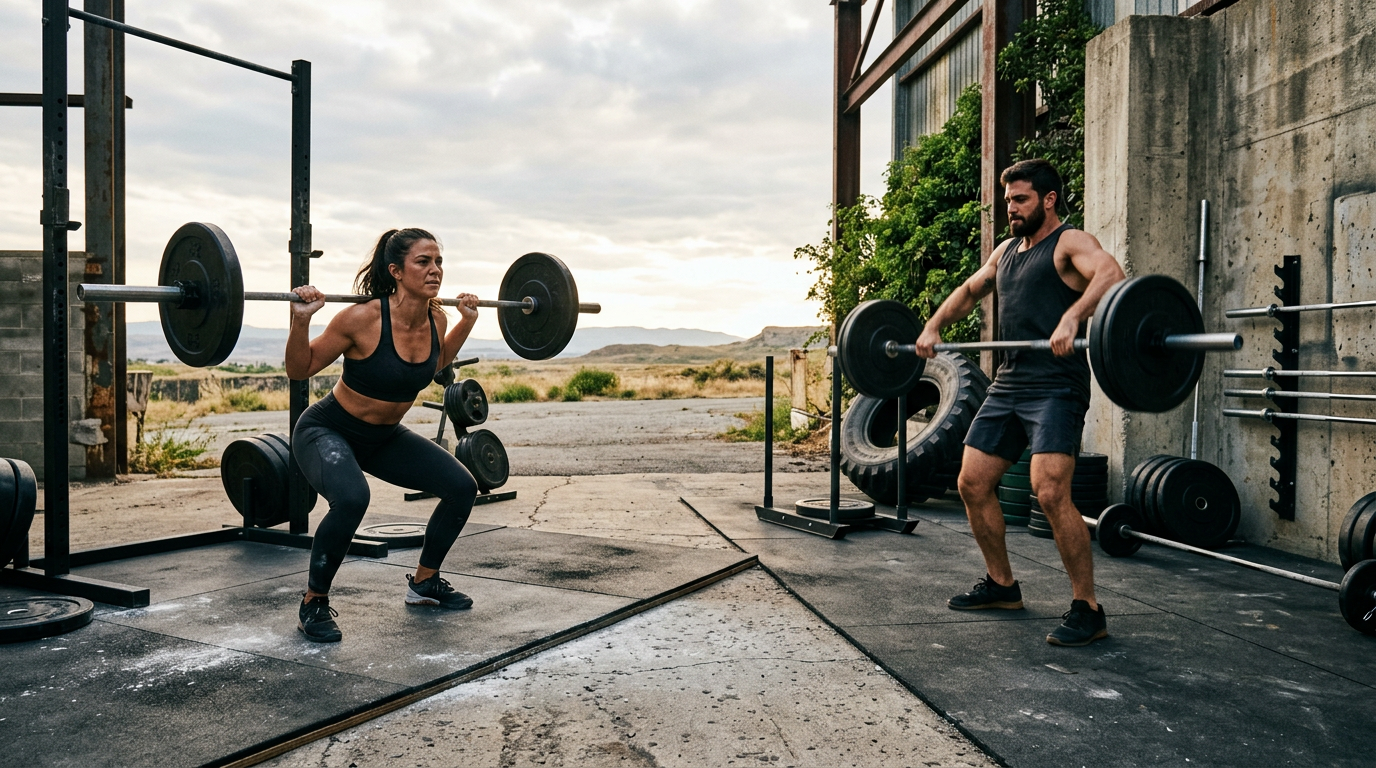
RPE vs Percent-Based Training: Which Is Better?
Neither RPE nor percent-based training is universally better. Percentages provide structure and objectivity, while RPE enables daily autoregulation—the best approach combines both.
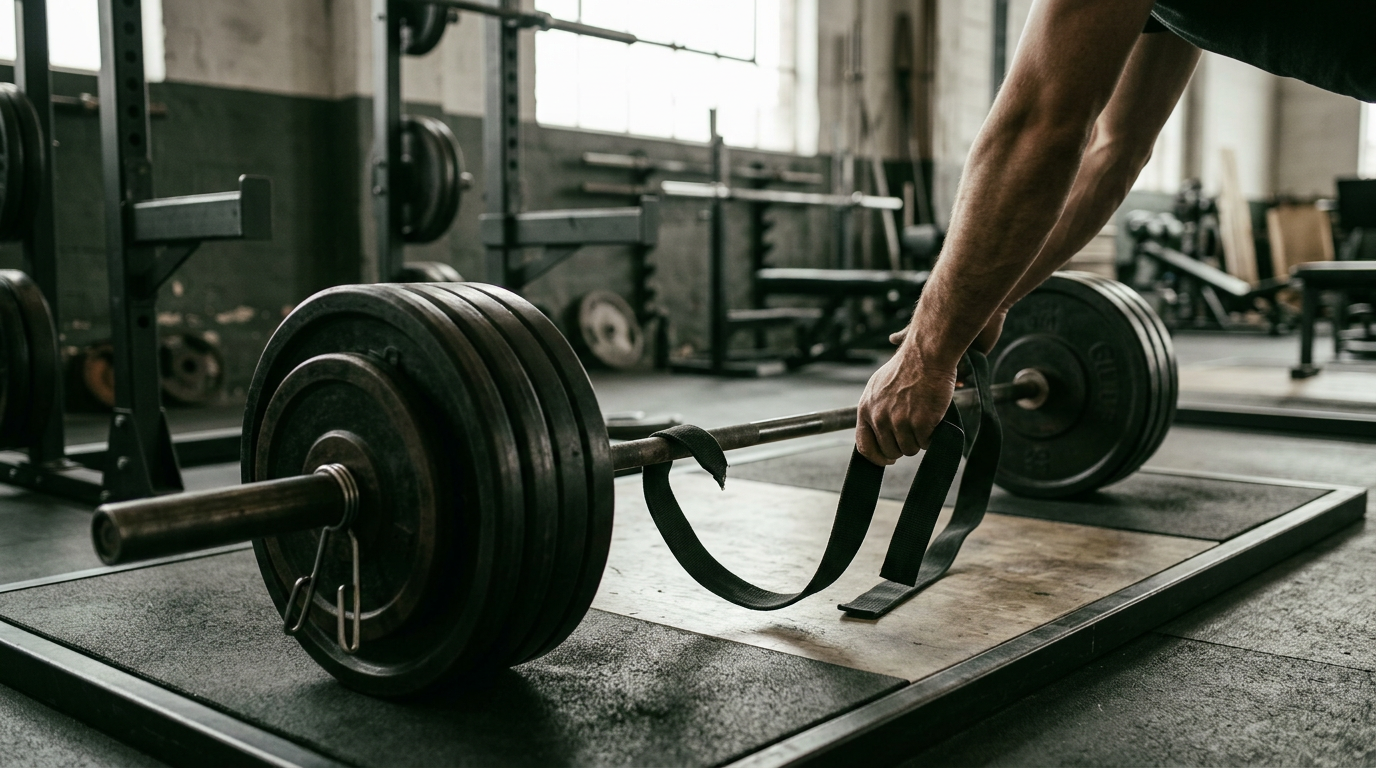
What Are the Best Wrist Wraps and Lifting Straps for Heavy Pulls?
Quality wrist wraps and lifting straps can unlock heavier training loads when your grip or wrists become limiting factors.

What Is Double Progression and How Does It Work?
Double progression is a training method where you increase reps within a target range before adding weight, making it one of the most sustainable progression models for intermediate lifters.

What Is Fatigue Management in Training?
Fatigue management is the practice of balancing training stress with recovery to ensure long-term progress. It involves understanding how different types of fatigue accumulate and using strategies like deloads and volume cycling to stay productive.

How to Add Weight to Your Bench Press: A Progressive Guide
Discover proven methods to systematically increase your bench press weight while maintaining proper form and avoiding plateaus.

What Does the Research Say About AI Coaching for Training?
Research shows AI coaching improves training adherence and personalization by analyzing data and delivering timely feedback. It works best for pattern recognition and progression recommendations but cannot yet replace human coaches for technique correction or motivational coaching.

How Many Sets Per Muscle Per Week Do You Actually Need?
Research suggests 10-20 sets per muscle group per week is the productive range for most trained lifters, but individual variation is enormous. Your optimal volume depends on training experience, recovery capacity, and how close to failure you train.

What Is the Science of Training Volume?
Training volume—measured as hard sets per muscle group per week—is one of the strongest predictors of muscle growth, with research showing a dose-response relationship up to your individual recovery limit.

What Does the Evidence Say About High Frequency Training?
Training each muscle group at least twice per week produces equal or superior hypertrophy compared to once per week, according to meta-analytic evidence. The benefit comes primarily from better volume distribution and more frequent protein synthesis elevations.

Why Your Workout Log Is Your Most Powerful Training Tool
Your workout log isn't just record-keeping—it's the foundation of intelligent training that separates consistent lifters from those who plateau.
One research breakdown a week.
The study, the effect size, what it actually means for your training. No fluff. No spam. Unsubscribe in one click.